The Fascinating World of Cancer Biology: The Immortal Cells

rashemamelson.org – Cancer, a word that strikes fear into the hearts of many, is a complex and multifaceted disease that has puzzled scientists for centuries. At its core, cancer is a disease of the cells, characterized by uncontrolled cell growth and the ability of these cells to invade other tissues. However, within this realm of disease lies a fascinating world of biology that has led to groundbreaking discoveries and advancements in medicine. This article delves into the intriguing concept of “immortal cells” and explores the broader landscape of cancer biology.

The Discovery of Immortal Cells

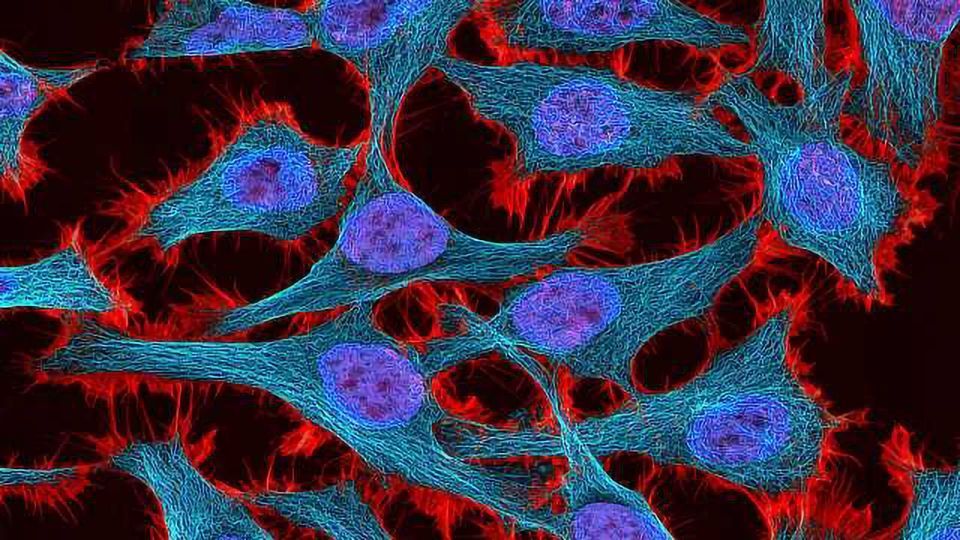
The story of immortal cells begins with the infamous HeLa cell line, derived from cervical cancer cells taken from Henrietta Lacks in 1951. These cells were the first to grow and proliferate indefinitely in laboratory conditions, effectively becoming “immortal.” The discovery of HeLa cells revolutionized the field of medicine, providing an invaluable tool for research, vaccine development, and the study of cancer itself.

Understanding Cancer Biology

Cancer biology is the study of cancerous cells and the mechanisms behind their development and progression. It encompasses a wide range of disciplines, including genetics, molecular biology, immunology, and pathology. Researchers in this field aim to understand how normal cells transform into cancer cells, how these cells evade the body’s immune system, and how they spread to other parts of the body.

The Hallmarks of Cancer

The hallmarks of cancer, as described by Douglas Hanahan and Robert Weinberg, include sustaining proliferative signaling, evading growth suppressors, resisting cell death, enabling replicative immortality, inducing angiogenesis, and activating invasion and metastasis. These characteristics provide a framework for understanding the complex nature of cancer and guide research efforts towards finding effective treatments.

The Role of Genetics in Cancer

Genetics plays a crucial role in cancer biology. Mutations in certain genes can lead to the uncontrolled growth of cells, while others can prevent the body from repairing DNA damage or suppressing tumors. Understanding the genetic basis of cancer has led to the development of targeted therapies that specifically inhibit the activity of these genes or their protein products.

The Immune System and Cancer

The relationship between the immune system and cancer is a complex and dynamic one. The immune system can recognize and destroy cancer cells, but cancer cells have developed various mechanisms to evade immune detection. Immunotherapy, a revolutionary approach to cancer treatment, harnesses the power of the immune system to fight cancer, offering new hope to patients with previously untreatable diseases.

The Future of Cancer Biology

The future of cancer biology is bright, with ongoing research leading to new insights and treatments. Advances in genomics, proteomics, and bioinformatics are providing a deeper understanding of the molecular basis of cancer, while precision medicine is tailoring treatments to the individual genetic makeup of patients.

Conclusion

The world of cancer biology is a testament to the resilience and ingenuity of the human spirit. Despite the challenges posed by this complex disease, scientists continue to push the boundaries of knowledge, driven by the hope of finding a cure. The immortal cells that once symbolized the relentless nature of cancer now serve as a beacon of hope, guiding us towards a future where cancer is no longer a death sentence.
Leukemia: Advances and Blood Cancer Treatments

rashemamelson.org – Leukemia, a type of cancer that affects the blood and bone marrow, has been a significant challenge in the field of oncology. It involves the overproduction of abnormal white blood cells, which can interfere with the body’s ability to fight infections and perform other vital functions. Over the years, treatments for leukemia have evolved significantly, offering new hope to patients and their families. This article explores the current treatments for leukemia and the advances that are shaping the future of care for this condition.

Understanding Leukemia

Leukemia is classified into two main types: acute and chronic, each with its own subtypes. Acute leukemia progresses rapidly and requires immediate treatment, whereas chronic leukemia develops more slowly and may not cause symptoms for months or even years.

Current Treatments

The treatment of leukemia depends on various factors, including the type of leukemia, the patient’s age, overall health, and the disease’s stage. Common treatments include:

  1. Chemotherapy: The use of drugs to destroy cancer cells. It may be given orally or intravenously and can be used alone or in combination with other treatments.
  2. Radiation Therapy: The use of high-energy rays to kill cancer cells. It’s often used in conjunction with chemotherapy or before a bone marrow transplant.
  3. Targeted Therapy: This treatment targets specific genetic or molecular markers of cancer cells, reducing harm to normal cells. Examples include tyrosine kinase inhibitors for chronic myeloid leukemia (CML).
  4. Immunotherapy: This involves using the body’s immune system to fight cancer. Monoclonal antibodies and CAR T-cell therapy are examples of immunotherapies used in leukemia treatment.
  5. Stem Cell Transplant: Also known as a bone marrow transplant, this procedure replaces diseased bone marrow with healthy stem cells. It’s often used for patients with certain types of leukemia that don’t respond to other treatments.

Advances in Treatment

The landscape of leukemia treatment is continuously evolving, with several promising advances on the horizon:

  • Precision Medicine: Tailoring treatment to the individual characteristics of each patient’s cancer, based on genetic understanding, is becoming more prevalent. This approach aims to maximize effectiveness while minimizing side effects.
  • Minimal Residual Disease (MRD) Testing: This sensitive test can detect small numbers of leukemia cells that remain in the blood or bone marrow after treatment. MRD testing helps doctors determine the effectiveness of treatment and adjust it if necessary.
  • CAR T-Cell Therapy: A revolutionary form of immunotherapy that uses genetically modified T cells to target and destroy cancer cells. It has shown remarkable success, particularly in acute lymphoblastic leukemia (ALL).
  • CRISPR Gene Editing: This technology offers the potential to correct genetic mutations that cause leukemia, providing a potentially curative treatment for some patients.

The Future of Leukemia Treatment

The future of leukemia treatment looks promising, with ongoing research aimed at developing more effective and less toxic therapies. Clinical trials are essential in this process, offering patients access to cutting-edge treatments that may not yet be widely available.

Moreover, the integration of artificial intelligence and big data in cancer research is expected to accelerate the discovery of new treatments and personalized medicine approaches. By analyzing vast amounts of genetic and clinical data, researchers can identify patterns and develop targeted therapies that are more likely to be effective for specific patient groups.

Conclusion

While leukemia remains a serious disease, the outlook for patients has improved significantly due to advances in treatment and research. The ongoing development of targeted therapies, immunotherapies, and gene editing technologies holds the promise of even more effective treatments in the future. As we continue to unravel the complexities of cancer at the molecular level, the hope is to move towards a future where leukemia is not just treated but cured, offering patients a chance at a longer, healthier life.