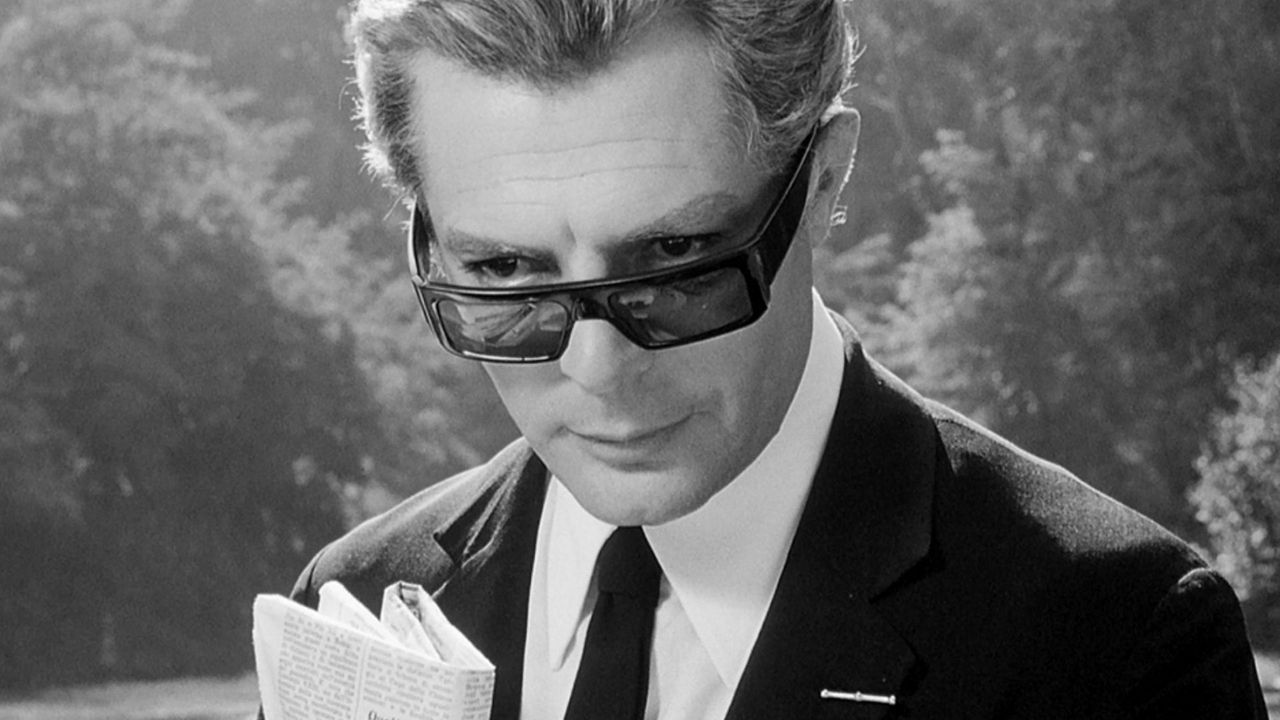
rashemamelson.org – “8½” is a landmark film directed by the legendary Italian filmmaker Federico Fellini, released in 1963. Often hailed as one of the greatest films ever made, “8½” is a semi-autobiographical exploration of the creative process, filled with surreal imagery and introspective narratives. The film offers a deep dive into the mind of a filmmaker struggling with creative block, blending reality and fantasy in a way that has captivated audiences and critics alike.
Plot Synopsis
The film centers around Guido Anselmi, played by Marcello Mastroianni, a successful film director who finds himself in the throes of a creative and personal crisis. As he attempts to develop his next film, Guido is plagued by a lack of inspiration and clarity. His struggles manifest through vivid dreams, flashbacks, and hallucinations, blurring the lines between his inner world and external reality.
Themes and Narrative Structure
“8½” delves into themes of artistic frustration, the search for authenticity, and the complexities of personal relationships. Fellini uses a non-linear narrative structure, intertwining Guido’s present-day experiences with his dreams and memories. This approach creates a rich tapestry of past and present, reality and imagination, reflecting the chaotic yet vibrant nature of the creative process.
Cinematic Style and Techniques
Fellini’s distinctive cinematic style is evident throughout “8½,” characterized by its use of striking visuals, elaborate set designs, and a dreamlike atmosphere. The film’s opening sequence, a surreal dream of suffocation and escape, sets the tone for the rest of the movie. Cinematographer Gianni Di Venanzo’s black-and-white photography enhances the film’s ethereal quality, while Nino Rota’s iconic score complements its emotional depth.
Character Dynamics
Marcello Mastroianni delivers a captivating performance as Guido, embodying the character’s inner turmoil and existential angst. The film features a strong supporting cast, including Anouk Aimée as Guido’s wife Luisa, and Claudia Cardinale as his idealized muse Claudia. These characters represent different facets of Guido’s life and psyche, each contributing to his journey of self-discovery.
Impact and Legacy
“8½” was met with critical acclaim upon its release, winning the Academy Award for Best Foreign Language Film and the Grand Prize at the Moscow International Film Festival. It has since influenced countless filmmakers and is often cited as a quintessential work in the art of filmmaking. The film’s introspective narrative and innovative style have made it a touchstone in the study of cinema and a source of inspiration for directors around the world.
Conclusion
“8½” stands as a testament to Federico Fellini’s genius and his ability to translate the complexities of the human mind onto the silver screen. Its exploration of the artistic process, combined with its surreal and imaginative presentation, continues to resonate with audiences, securing its place as a masterpiece in the history of cinema.