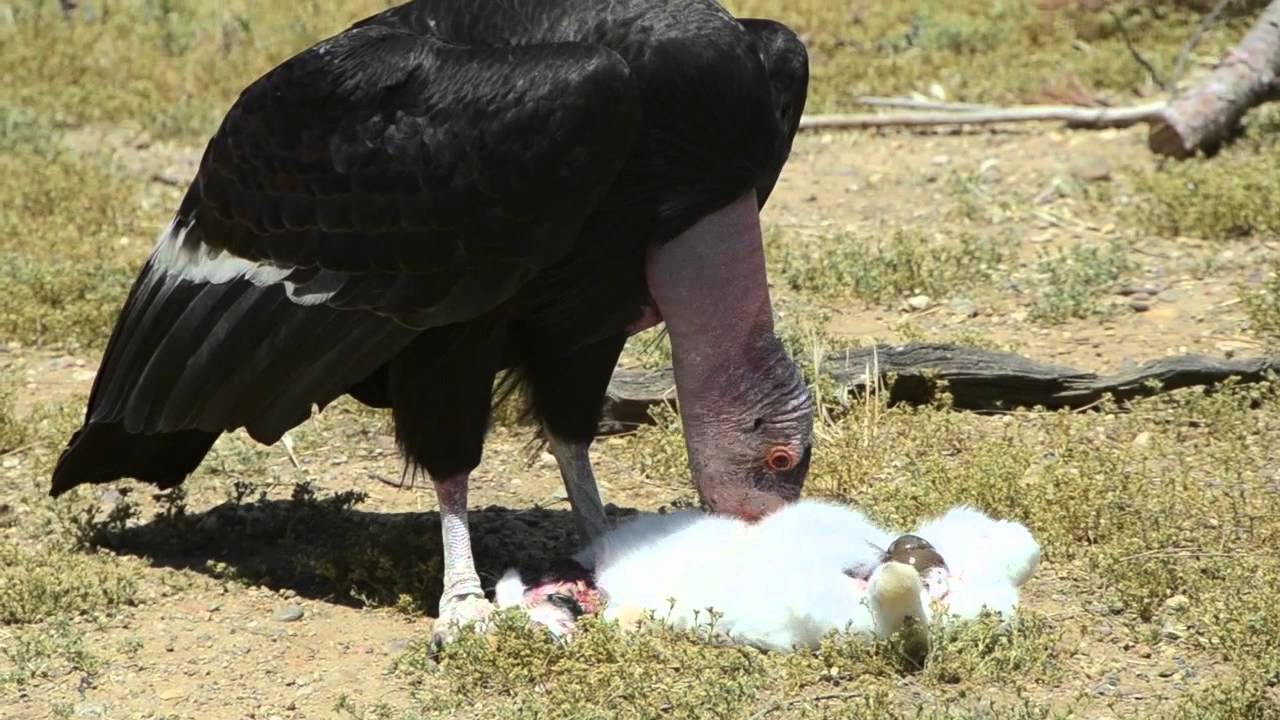
rashemamelson.org – Condors, both the Andean Condor (Vultur gryphus) of South America and the California Condor (Gymnogyps californianus) of North America, are some of the largest flying birds in the world. These magnificent scavengers play a crucial ecological role by consuming carrion and helping to clean the environment. With their impressive wingspans and ability to soar for miles, condors are perfectly adapted to their role as nature’s cleanup crew. In this article, we will explore the food sources of condors, how they find their meals, and their importance in maintaining ecological balance.
1. Carrion: The Primary Diet of Condors
Condors are obligate scavengers, which means that their diet consists almost exclusively of carrion—dead animals. This could be the remains of mammals, birds, or reptiles, which are often found in open areas such as mountains, plains, or near human settlements. By feeding on carcasses, condors help to remove decomposing matter and recycle essential nutrients into the ecosystem.
Both Andean and California condors primarily seek out large carcasses, which provide them with the substantial amount of food they need to sustain their large bodies. They can consume animal remains ranging from small mammals, such as deer, to large animals like livestock, deer, and even large marine mammals when found in coastal areas. Their diet primarily consists of the soft tissues, muscles, and fat of dead animals.
2. Feeding on the Remains of Large Mammals
Condors have specialized feeding behaviors that allow them to take advantage of large carcasses. Their strong, muscular beaks are designed for tearing through tough tissue, while their powerful claws help them grasp onto a carcass. They are often seen feeding on the remains of large herbivores such as deer, cattle, and llamas.
Large mammals provide a significant source of nutrition, with ample muscle, fat, and sometimes organs to consume. These carcasses can sustain a condor for several days, and their scavenging activity ensures that the remains of deceased animals do not accumulate and create health hazards in the environment. Condors typically feed on the meat around the carcass’s ribs, neck, and legs, where muscle mass is most abundant.
3. Feeding Behavior: Soaring to Find Food
Condors are known for their impressive soaring abilities, using air currents to glide over vast distances in search of food. Their large wingspans, which can exceed 9 feet, allow them to travel long distances without expending much energy. As they soar high above the ground, condors rely on their keen eyesight to spot potential carcasses from miles away.
California Condors, in particular, have a remarkable ability to locate food using thermals—updrafts of warm air that help them stay aloft for hours while searching for carrion. Andean Condors, similarly, use the prevailing wind patterns in their mountainous habitats to cover large areas in search of food. Once they locate a carcass, they may fly down to investigate and, if the carcass is accessible, begin feeding.
4. Eating Bone and Other Tough Materials
Condors are highly efficient scavengers and are known for consuming not only soft tissues but also the tougher, harder parts of a carcass, including bones. Although they are not as specialized as bone-eating vultures, condors have powerful beaks and strong digestive systems that allow them to handle some bones. Bones are a valuable source of nutrients, particularly calcium and phosphorus, which are important for condors’ health, particularly in maintaining strong bones for flight.
California Condors, for example, are known to break open bones and consume the marrow inside, which is rich in fat. This behavior is particularly important in areas where large carcasses are sparse, as it allows condors to extract the maximum amount of nutrition from the remains.
5. Condors’ Role in Ecosystem Health
Condors play a vital role in maintaining ecological health by acting as nature’s cleanup crew. Their scavenging activities prevent the buildup of carcasses in the wild, which could otherwise lead to the spread of disease and harmful bacteria. By consuming dead animals, condors help to limit the spread of diseases such as rabies, anthrax, and botulism, which can be transmitted through rotting carcasses.
Moreover, condors contribute to nutrient recycling in ecosystems. By consuming carrion and breaking down its organic material, they help return essential nutrients such as nitrogen, phosphorus, and potassium back into the soil, enriching the environment for plants and other organisms.
6. Feeding Challenges and Competition with Other Scavengers
Although condors are large and powerful birds, they face competition from other scavengers when feeding on carcasses. In areas where food is abundant, such as after a large animal has died, many scavengers—ranging from smaller vultures and ravens to coyotes, foxes, and even wild dogs—may arrive at the carcass to claim their share.
Condors are often seen feeding in groups, particularly when a large carcass is discovered. However, they do not always get first access. Larger scavengers like wild dogs or foxes can intimidate condors and force them to wait their turn or feed on the less desirable parts of the carcass, such as bones or tougher skin. In such instances, condors must demonstrate patience and use their strong beaks to access parts of the carcass that are often overlooked by smaller scavengers.
7. Human Interaction: Conservation and Food Availability
Both the Andean and California condors face threats to their food sources due to human activities. Habitat loss, poaching, and the poisoning of carcasses with toxins like lead from bullets pose significant dangers to condor populations. When condors feed on carcasses of animals that have been shot with lead ammunition, they risk ingesting toxic amounts of lead, which can cause lead poisoning and even death.
To address this issue, wildlife organizations and conservationists are working to reduce the use of lead ammunition and implement safe feeding programs for condors. In some areas, condors are provided with supplemental food sources to help support their populations while conservation efforts are ongoing.
8. Cultural Significance of Condors
Condors hold cultural significance in many regions, particularly in Native American and Andean cultures. In the Andes, the Andean Condor is revered as a symbol of power, freedom, and longevity. In many Native American cultures, condors are considered sacred birds that represent the connection between earth and sky. Their majestic appearance and soaring flight have made them important figures in spiritual and cultural practices.
However, the decline in condor populations, especially the California Condor, has brought attention to the importance of conservation and the need to protect these birds for future generations. Efforts to save condors from extinction have garnered international support and helped raise awareness of their ecological role.
9. The California Condor Recovery Effort
The California Condor is one of the most famous examples of a species brought back from the brink of extinction. By the 1980s, the California Condor population had dwindled to just 27 individuals, mainly due to habitat destruction, hunting, and poisoning from lead ammunition. In a last-ditch effort to save the species, all remaining California Condors were captured and placed in a captive breeding program.
Through extensive breeding programs, reintroductions into the wild, and efforts to reduce lead poisoning, the California Condor population has slowly increased. Conservationists continue to monitor the species and provide support, including supplemental feeding stations, to ensure the survival of these magnificent birds.
10. The Future of Condor Populations
While the populations of both the Andean and California condors have improved in recent years, they still face ongoing challenges. The protection of their habitats, the reduction of lead poisoning, and continued efforts to educate the public about their ecological importance are essential for their long-term survival. Conservation programs are critical to ensuring that condors continue to play their important role in ecosystems as scavengers and nutrient recyclers.
Conclusion
Condors are majestic birds with an essential role in maintaining the balance of ecosystems. As scavengers, they consume carrion and help prevent the spread of disease while recycling vital nutrients into the environment. Through their incredible soaring abilities and specialized feeding habits, condors ensure that animal carcasses do not accumulate, and their behavior contributes to the health of their habitats. While they face threats from human activities, concerted conservation efforts are helping to protect condors and ensure that these remarkable birds continue to soar above the landscapes they help maintain.