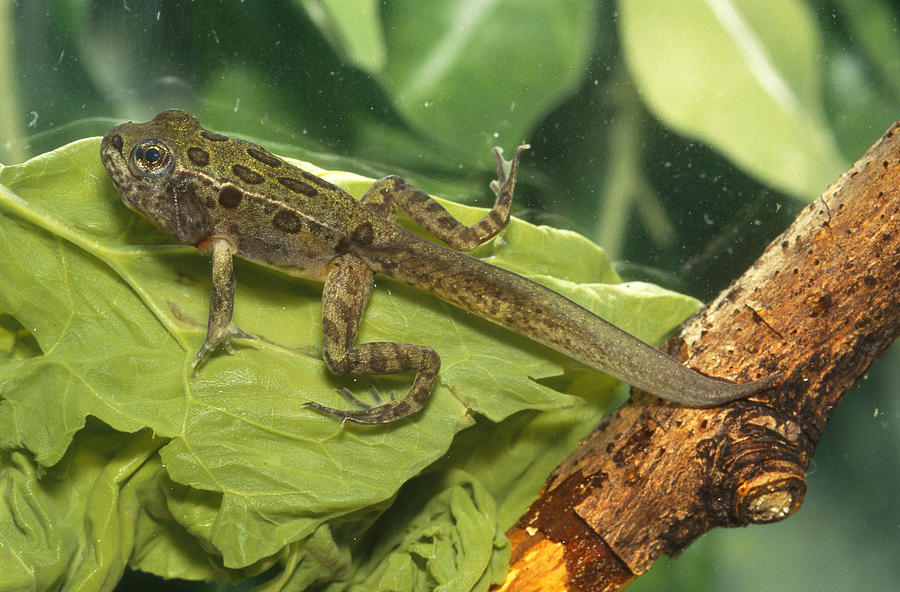
rashemamelson.org – Froglets represent a fascinating and crucial stage in the life cycle of frogs and toads (collectively known as anurans). They are the transitional form between the fully aquatic tadpole and the terrestrial or semi-aquatic adult frog. This period of metamorphosis involves significant physiological and anatomical changes, preparing the young amphibian for a drastically different way of life.
What is a Froglet? Defining the Transitional Stage
A froglet is essentially a young frog that has completed most of its metamorphosis from a tadpole but is not yet a fully mature adult. This stage is characterized by several key features:
- Presence of Limbs: Unlike tadpoles, which initially only have a tail, froglets possess fully developed front and hind limbs.
- Tail Resorption: The tadpole’s tail is in the process of being absorbed by the body. This process provides nutrients for the developing froglet. The tail may be present but significantly reduced in size.
- Development of Lungs: Froglets have developed functional lungs, allowing them to breathe air. This is a critical adaptation for transitioning to a terrestrial or semi-aquatic lifestyle.
- Changes in Skin and Mouth: The skin undergoes changes to become more suitable for life on land, and the mouth develops into the characteristic frog mouth, adapted for catching insects and other prey.
The Metamorphosis Process: A Dramatic Transformation
The journey from tadpole to froglet is a complex and dramatic process driven by hormonal changes, primarily involving thyroxine:
- Early Tadpole Stage: Tadpoles are fully aquatic, possessing gills for respiration and a tail for propulsion. They are typically herbivorous, feeding on algae and plant matter.
- Development of Hind Limbs: The first visible sign of metamorphosis is the development of hind limb buds.
- Development of Front Limbs: Shortly after, the front limbs begin to develop, often emerging from the operculum (gill covering).
- Tail Resorption: As the limbs develop, the tail begins to shrink as it is resorbed by the body.
- Development of Lungs and Other Organs: Internal changes occur simultaneously, including the development of lungs, changes in the digestive system to accommodate a carnivorous diet, and modifications to the circulatory system.
- Froglet Stage: The froglet emerges with fully formed limbs, a significantly reduced tail, and functional lungs.
Froglet Habitat and Behavior: Adapting to a New World
Froglets occupy a transitional niche between the aquatic environment of tadpoles and the adult habitat.
- Semi-Aquatic Lifestyle: Froglets are often found near the edges of ponds, streams, or other bodies of water, allowing them to easily move between water and land.
- Foraging Behavior: As their digestive system changes, froglets transition from a herbivorous diet to a carnivorous one, feeding on small insects and other invertebrates.
- Increased Vulnerability: Froglets are particularly vulnerable to predators during this stage as they are still relatively small and not as agile as adult frogs.
Diet of a Froglet: Transitioning to Carnivory
A crucial aspect of the froglet stage is the shift in diet:
- From Herbivore to Carnivore: Tadpoles are primarily herbivores, feeding on algae and plant matter. Froglets, however, become carnivorous, consuming small insects, spiders, and other invertebrates.
- Development of Hunting Skills: Froglets begin to develop their hunting skills, learning to capture and consume live prey.
Threats to Froglets: Vulnerability in a Changing World
Froglets face numerous threats, making this a critical period in their life cycle:
- Predation: They are vulnerable to a variety of predators, including birds, snakes, insects, and even larger frogs.
- Habitat Loss and Degradation: Loss of wetland habitats and pollution can negatively impact froglet survival.
- Desiccation: Froglets are still susceptible to drying out, so access to moist environments is essential.
- Disease: Diseases such as chytridiomycosis can affect froglets.
Ecological Importance: A Link in the Food Chain
Froglets play an important role in ecosystems:
- Prey for Other Animals: They serve as a food source for a variety of predators.
- Insect Control: As they become carnivorous, they begin to contribute to insect control.
Conclusion: A Vital Step in Amphibian Development
The froglet stage is a vital and fascinating part of the anuran life cycle. This period of metamorphosis represents a remarkable transformation, preparing the young amphibian for a new way of life. Understanding the challenges and importance of this stage is crucial for amphibian conservation and the health of our ecosystems.