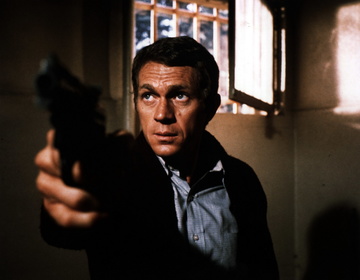
rashemamelson.org – Ryoo Seung-wan’s 2013 South Korean espionage action thriller, The Berlin File (Bereullin), plunges viewers into the shadowy world of international espionage, betrayal, and survival in the heart of Berlin. Featuring a complex web of characters, intricate plot twists, and explosive action sequences, the film offers a gripping and stylish take on the spy genre. This article delves into the film’s narrative, characters, themes, and its impact on Korean action cinema.
A City of Secrets: Plot Summary
The film centers on Pyo Jong-seong, a North Korean agent working undercover in Berlin. When a clandestine arms deal goes wrong, Jong-seong finds himself caught in the crossfire between various intelligence agencies, including the CIA, the South Korean NIS, and North Korean operatives. Accused of treason by his own government, Jong-seong is forced to go on the run, fighting for survival while trying to protect his wife, Ryun Jung-hee, an interpreter at the North Korean embassy.
As Jong-seong navigates the treacherous landscape of international espionage, he uncovers a deep conspiracy that reaches the highest levels of power. Trust becomes a rare commodity as he is forced to question the motives of everyone around him, including those closest to him. The film unfolds as a complex game of cat and mouse, with shifting alliances and betrayals at every turn.
A World of Shadows: Character Analysis
The Berlin File features a diverse and compelling cast of characters, each with their own agendas:
- Pyo Jong-seong: Played with stoic intensity by Ha Jung-woo, Jong-seong is a highly skilled North Korean agent caught in a desperate situation. His loyalty is constantly tested as he struggles to survive and protect his wife.
- Ryun Jung-hee: Portrayed with quiet strength by Gianna Jun (Jun Ji-hyun), Jung-hee is Jong-seong’s wife, whose true loyalties become a central mystery of the film.
- Jung Jin-soo: Played with calculating precision by Han Suk-kyu, Jin-soo is a South Korean NIS agent tasked with investigating the arms deal and uncovering the truth behind Jong-seong’s actions.
- Dong Myung-soo: Played with chilling ruthlessness by Ryoo Seung-bum, Myung-soo is a North Korean operative sent to eliminate Jong-seong. His relentless pursuit adds another layer of tension to the film.
Themes of Loyalty, Betrayal, and Identity
The Berlin File explores several complex themes:
- Loyalty and Betrayal: The film delves into the complexities of loyalty within the world of espionage, where allegiances can shift in an instant. The characters are constantly forced to question who they can trust, leading to numerous betrayals and shifting alliances.
- Identity: Jong-seong’s struggle to maintain his identity as a North Korean agent while facing accusations of treason raises questions about the nature of identity and the sacrifices individuals make in the name of their country.
- Political Intrigue: The film offers a glimpse into the complex world of international politics and the power struggles between nations. The backdrop of Berlin, a city steeped in Cold War history, adds another layer of political intrigue to the narrative.
A Stylish and Explosive Spy Thriller: Impact and Legacy
The Berlin File is known for its stylish visuals, its intricate plot, and its explosive action sequences. Ryoo Seung-wan’s direction creates a visually stunning and suspenseful atmosphere, immersing the viewer in the world of espionage.
The film’s success solidified Ryoo Seung-wan’s reputation as a master of action cinema and further cemented the leading actors’ status in Korean cinema. Its influence can be seen in subsequent Korean spy thrillers that explore similar themes of betrayal and political intrigue.
Conclusion
The Berlin File is a gripping and stylish espionage thriller that delivers on its promise of action, suspense, and complex characters. The film’s exploration of loyalty, betrayal, and identity within the context of international espionage makes it a compelling and thought-provoking cinematic experience. Its success has cemented its place as a modern classic of the Korean spy genre.