“Bullitt” (1968): A Classic Action-Crime Thriller

rashemamelson.org – “Bullitt,” released in 1968, stands as a quintessential action-crime thriller that has left an indelible mark on the genre. Directed by Peter Yates and starring the legendary Steve McQueen, the film is celebrated for its gripping storyline, iconic car chase scenes, and a style that continues to influence filmmakers decades later.

A Taut Crime Thriller

At the heart of “Bullitt” is a meticulously crafted narrative that follows San Francisco police lieutenant Frank Bullitt, played by Steve McQueen. Tasked with protecting a crucial witness set to testify against the mob, Bullitt finds himself embroiled in a complex web of deceit and betrayal when the witness is murdered. Determined to uncover the truth, Bullitt embarks on a relentless pursuit of justice, navigating a world where loyalties are questionable and the stakes are life and death.

Iconic Performances and Direction

Steve McQueen’s portrayal of Frank Bullitt is both understated and powerful, embodying a cool, composed detective with a fierce determination to see justice served. His performance is complemented by a strong supporting cast, including Robert Vaughn as the ambitious politician Walter Chalmers and Jacqueline Bisset as Bullitt’s girlfriend, Cathy.

Director Peter Yates brings a distinctive style to “Bullitt,” infusing the film with a sense of realism and urgency that elevates it above typical crime dramas. His attention to detail and ability to build tension through both dialogue and action set a new standard for the genre.

The Legendary Car Chase

“Bullitt” is perhaps best known for its groundbreaking car chase sequence, which has become one of the most celebrated in cinematic history. Set against the backdrop of San Francisco’s hilly streets, the chase features McQueen behind the wheel of a Ford Mustang GT, pursuing a pair of hitmen in a Dodge Charger. The sequence is renowned for its dynamic camera work, fast-paced editing, and the visceral thrill it delivers, setting a benchmark for action scenes in films that followed.

A Lasting Legacy

Beyond its thrilling action and compelling narrative, “Bullitt” has left a lasting legacy in both film and popular culture. Its influence can be seen in countless action films that strive to capture the same level of excitement and authenticity. The film’s impact is also evident in the enduring appeal of its iconic car chase, which continues to be referenced and revered by filmmakers and audiences alike.

In conclusion, “Bullitt” remains a high-water mark in the action-crime thriller genre, offering a perfect blend of style, substance, and suspense. Its legacy endures, not only as a classic film but as a blueprint for crafting thrilling and memorable cinema. For fans of action and crime stories, “Bullitt” is an essential piece of film history that continues to captivate and inspire.

Impact of Climate Change on El Salvador: Adaptation & Resilience

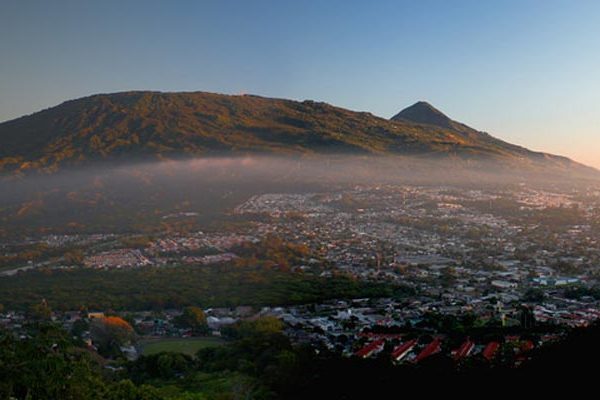
rashemamelson.org – El Salvador, a small Central American country, is highly vulnerable to the impacts of climate change. Its geographical location, limited resources, and reliance on agriculture make it particularly susceptible to extreme weather events, rising temperatures, and changing precipitation patterns. This article explores the multifaceted impacts of climate change on El Salvador and examines the adaptation and resilience strategies being implemented to mitigate these effects.

Impacts of Climate Change on El Salvador

Increased Frequency of Extreme Weather Events

El Salvador has experienced an increase in the frequency and intensity of extreme weather events, including hurricanes, droughts, and floods. These events have devastating effects on infrastructure, agriculture, and human settlements, leading to significant economic losses and humanitarian crises.

Agricultural Challenges

Agriculture, a critical sector of El Salvador’s economy, is severely affected by changing climate patterns. Altered precipitation and temperature extremes impact crop yields, leading to food insecurity and economic hardship for rural communities. The coffee industry, a major export, is particularly vulnerable to climate change, with rising temperatures and changing rainfall patterns affecting bean quality and production.

Water Scarcity

Climate change exacerbates water scarcity in El Salvador. Reduced rainfall and increased evaporation rates strain water resources, affecting drinking water supplies and agricultural needs. This scarcity leads to conflicts over water use and access, particularly among marginalized communities.

Health Risks

The changing climate also poses significant health risks. Increased temperatures and altered precipitation patterns can lead to the proliferation of vector-borne diseases such as dengue fever and malaria. Additionally, extreme weather events can result in injuries, displacement, and mental health issues among affected populations.

Adaptation and Resilience Strategies

Strengthening Infrastructure

To mitigate the impacts of extreme weather events, El Salvador is investing in infrastructure that can withstand climate-related challenges. This includes building more resilient roads, bridges, and housing, as well as improving drainage systems to reduce flooding.

Agricultural Adaptation

The agricultural sector is adapting through the adoption of climate-resilient farming practices. This includes the use of drought-tolerant crop varieties, improved irrigation techniques, and agroforestry. These practices aim to enhance productivity while conserving water and protecting soil health.

Water Resource Management

El Salvador is implementing improved water resource management strategies to address scarcity. This involves the construction of water storage facilities, the promotion of water-saving technologies, and the development of integrated water management plans that prioritize equitable access and sustainable use.

Public Health Initiatives

To combat the health risks associated with climate change, El Salvador is enhancing public health initiatives. This includes strengthening disease surveillance and response systems, improving access to clean water and sanitation, and promoting public awareness and education on climate-related health issues.

Climate Change Education and Awareness

Education and awareness are crucial components of El Salvador’s resilience strategy. By informing the public about the impacts of climate change and the importance of adaptation measures, the government aims to foster a culture of resilience and sustainable living.

Conclusion

The impacts of climate change on El Salvador are profound and require urgent and sustained action. Through adaptation and resilience strategies, El Salvador is working to mitigate the effects of climate change and build a more sustainable future. These efforts are essential for protecting the environment, ensuring economic stability, and safeguarding the well-being of its citizens. As climate change continues to pose significant challenges, El Salvador’s commitment to adaptation and resilience will be critical in shaping its path forward.

Culinary Mastery: “The Chef’s Table” and Its Global Impact

rashemamelson.org – “The Chef’s Table” is more than just a television series; it’s a portal into the lives and kitchens of the world’s most revered chefs. This groundbreaking documentary series has revolutionized the way audiences perceive cooking, transforming it from a mere culinary act into an art form deeply intertwined with personal narratives and cultural heritage.

The Concept Behind “The Chef’s Table”

At the heart of “The Chef’s Table” lies the idea of showcasing the passion, creativity, and dedication of chefs who have not only mastered their craft but have also left an indelible mark on the culinary world. Each episode is a personal journey, allowing viewers to understand the unique relationship between the chef and their food.

Profiles of Culinary Genius

The series has introduced viewers to a diverse array of chefs, each with their own distinct style and story. From Massimo Bottura’s modern take on Italian cuisine to the traditional techniques of Enrique Olvera, “The Chef’s Table” has highlighted the global tapestry of gastronomy.

The Impact on the Culinary World

“The Chef’s Table” has not only elevated the status of chefs to that of artists but has also influenced the way people think about food. It has sparked a renewed interest in the stories behind the dishes, encouraging viewers to seek out the establishments featured and to appreciate the craftsmanship involved in creating culinary masterpieces.

Beyond the Screen

The legacy of “The Chef’s Table” extends beyond its episodes. It has inspired a new generation of chefs and food enthusiasts, fostering a deeper connection between food, culture, and personal expression. The series serves as a reminder that every dish tells a story, and every chef is a storyteller.

Conclusion

“The Chef’s Table” is a testament to the power of storytelling in the culinary world. By focusing on the lives and kitchens of extraordinary chefs, the series has not only entertained but also educated and inspired. It stands as a celebration of the art of cooking, a tribute to the chefs who elevate food to new heights, and a reminder of the universal language that food speaks.

The Impact of Climate Change on Zimbabwe’s Environment

rashemamelson.org – Climate change is a critical issue affecting Zimbabwe, with significant implications for its environment, economy, and population. The country is already experiencing the adverse effects of climate change, which are expected to intensify in the coming years.

Increasing Temperatures and Rainfall Variability

Zimbabwe is experiencing increased temperatures, which are projected to rise by between 1.5°C and 3.5°C by the end of the century. This rise in temperature is associated with more frequent and severe heatwaves, which pose health risks to the population and stress on agricultural systems.

Additionally, the country is facing significant rainfall variability. While some areas experience increased rainfall, leading to flooding, other regions suffer from prolonged droughts. This variability in rainfall patterns has disrupted agricultural practices, leading to reduced crop yields and increased food insecurity.

Water Scarcity and Food Security

Water scarcity is a growing concern in Zimbabwe. By 2050, it is estimated that the country will experience a 38% decline in national water availability per capita due to climate change. This reduction in water availability will exacerbate existing challenges in providing clean water to the population, particularly in rural areas.

Food security is also under threat. Zimbabwe is prone to droughts, which have become more frequent and severe over the past two decades. These droughts have led to reduced agricultural productivity, making it difficult for the country to meet its food needs. The situation is further complicated by the increased variability in rainfall patterns, which makes it challenging for farmers to plan and manage their crops effectively.

Economic Impacts

The impacts of climate change are not limited to the environment but also have significant economic implications. Zimbabwe’s key economic sectors, including agriculture, are adversely affected by climate change. Agriculture, which employs two-thirds of the population, is particularly vulnerable to changes in rainfall patterns and temperature increases.

Moreover, the increased frequency of natural disasters such as floods and droughts has led to significant economic losses. These disasters not only damage infrastructure but also disrupt livelihoods, leading to increased poverty and vulnerability among the population.

Vulnerable Populations

The impacts of climate change are felt most acutely by vulnerable populations, including children and rural communities. Approximately 7.1 million children in Zimbabwe, representing 47% of the population, are at heightened risk from climate change-induced challenges such as food and water scarcity.

Rural communities, which rely heavily on agriculture for their livelihoods, are particularly vulnerable to the impacts of climate change. Changes in rainfall patterns and increased temperatures have made it difficult for these communities to sustain their agricultural practices, leading to reduced incomes and increased poverty.

Adaptation and Mitigation Efforts

Recognizing the severity of the impacts of climate change, Zimbabwe has been working on adaptation and mitigation strategies. The country has developed a National Climate Change Response Strategy to address the challenges posed by climate change. This strategy includes measures to improve water management, enhance agricultural practices, and support vulnerable communities.

Additionally, Zimbabwe has been involved in international efforts to mitigate climate change. The country has committed to reducing its greenhouse gas emissions and promoting sustainable development practices.

Conclusion

Climate change is a critical challenge facing Zimbabwe, with significant impacts on its environment, economy, and population. The country is already experiencing increased temperatures, rainfall variability, water scarcity, and food insecurity. These challenges are exacerbated by the vulnerability of its key economic sectors and the population, particularly children and rural communities.

While Zimbabwe has made significant strides in developing adaptation and mitigation strategies, the challenges posed by climate change require sustained international support and cooperation. Addressing these challenges is crucial for ensuring the sustainable development and well-being of Zimbabwe and its people.

The Impact of Censorship on Literature

rashemamelson.org – Censorship, the act of examining and suppressing or altering materials that are deemed objectionable for moral, political, or security reasons, has a profound impact on literature. Throughout history, literature has been a mirror reflecting society’s values, beliefs, and conflicts. It has also been a tool for challenging the status quo, exploring controversial topics, and advocating for change. However, when censorship is imposed, it not only affects the literary works themselves but also the broader cultural and intellectual landscape. This article explores the multifaceted impact of censorship on literature, examining its effects on authors, readers, and society as a whole.

Stifling Creativity and Freedom of Expression

One of the most immediate impacts of censorship on literature is the stifling of creativity and freedom of expression. Writers often explore complex, controversial, or sensitive topics in their work, pushing the boundaries of thought and challenging societal norms. Censorship, by its very nature, limits what can be written and published, thereby inhibiting the creative process. This can lead to self-censorship, where authors censor themselves to avoid potential backlash, which can dampen the vibrancy and diversity of literary output.

Erosion of Intellectual Freedom

Censorship also erodes intellectual freedom, which is essential for the development of a well-informed and critical citizenry. Literature plays a crucial role in fostering empathy, understanding, and critical thinking. By restricting access to certain ideas or perspectives, censorship limits the exposure of readers to diverse viewpoints, potentially leading to a less informed and more homogenized society.

Historical and Cultural Loss

The impact of censorship on literature extends beyond the immediate effects on authors and readers. It can also result in a loss of historical and cultural knowledge. When books are banned or destroyed, the stories, experiences, and perspectives they contain are lost. This can lead to a skewed understanding of history and a diminished appreciation of cultural diversity.

Resistance and Creativity

Despite the challenges posed by censorship, it has also inspired resistance and creativity within the literary community. Throughout history, writers have found ways to circumvent censorship, using allegory, metaphor, and other literary devices to convey their messages. This has led to some of the most innovative and enduring works of literature. Moreover, the act of banning a book can sometimes increase its allure, leading to a surge in interest and readership.

Conclusion

The impact of censorship on literature is complex and far-reaching. While it can stifle creativity, erode intellectual freedom, and lead to cultural loss, it has also inspired resistance and innovation. The struggle against censorship is, at its heart, a fight for the right to explore ideas, express oneself freely, and engage in open dialogue. As such, it is a battle that touches on the very essence of what it means to be human. In the face of censorship, the resilience of literature and the human spirit shines through, reminding us of the power of words to challenge, inspire, and transform.