Strategies & Challenges: North Korea’s International Diplomacy

rashemamelson.org – North Korea, officially known as the Democratic People’s Republic of Korea (DPRK), has long been a subject of international intrigue due to its reclusive nature and unpredictable diplomatic strategies. Despite its isolationist tendencies, North Korea has engaged in international diplomacy to advance its national interests, secure its regime, and navigate the complexities of the global political landscape. This article explores the strategies employed by North Korea in its international diplomacy and the challenges it faces in the pursuit of its foreign policy objectives.

Strategies Employed by North Korea

  1. Leveraging Nuclear Ambitions
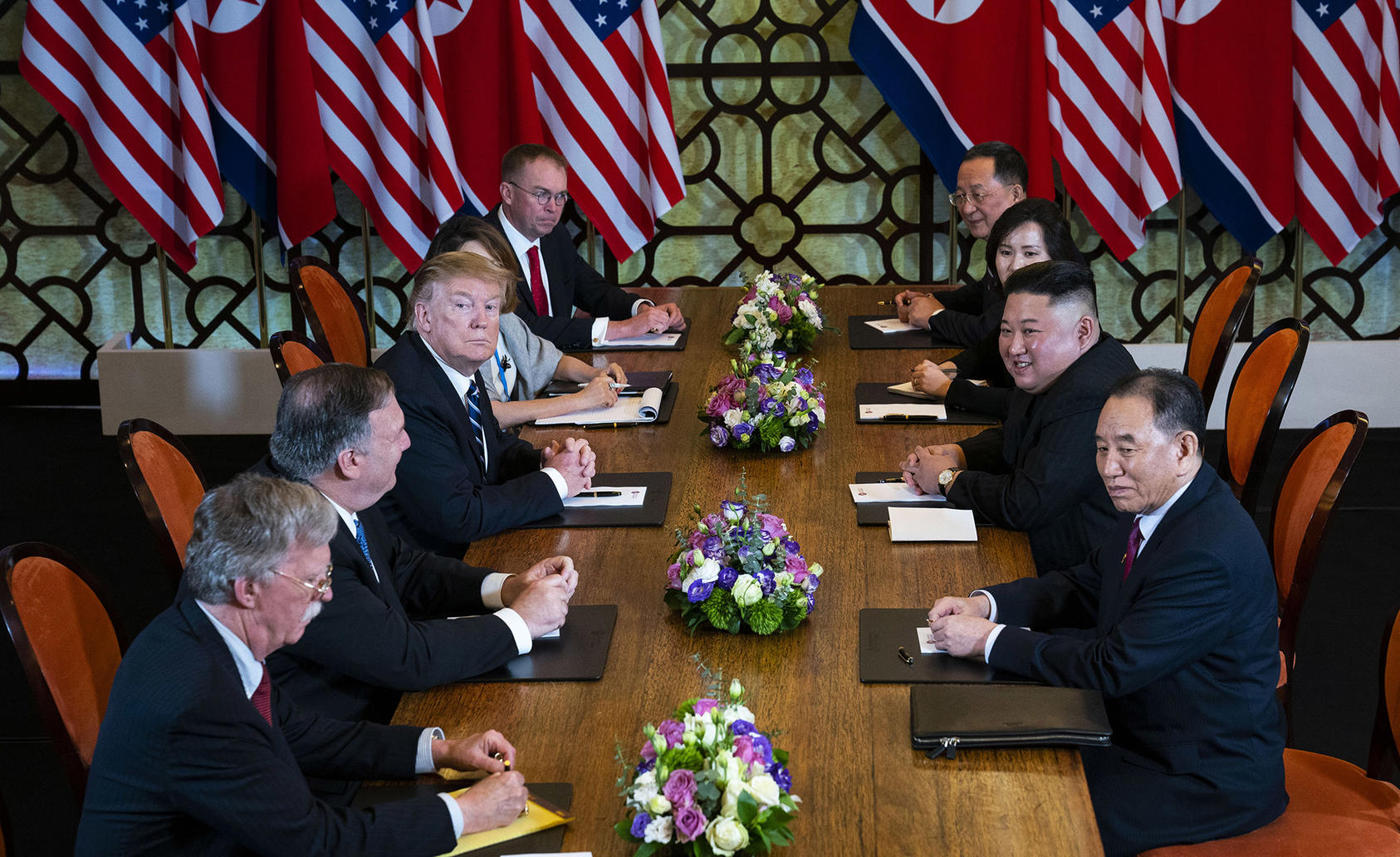
    One of the most prominent strategies in North Korea’s diplomatic arsenal is its nuclear program. The DPRK has used its pursuit of nuclear weapons to gain leverage in negotiations with major powers, particularly the United States. By periodically conducting missile tests and nuclear detonations, North Korea seeks to demonstrate its military capabilities and coerce concessions from its adversaries.
  2. Playing the Great Powers Against Each Other
    North Korea has skillfully exploited the geopolitical rivalries between major powers to its advantage. It has sought to drive wedges between the United States and its regional allies, such as South Korea and Japan, while also engaging in diplomatic overtures with China and Russia to secure economic and political support.
  3. Humanitarian Diplomacy
    In an effort to improve its international image and garner support, North Korea has participated in humanitarian diplomacy. This includes hosting international sporting events, sending athletes to compete in the Olympics, and engaging in cultural exchanges. These activities are aimed at softening its image and fostering a narrative of normalcy and cooperation.
  4. Cyber Diplomacy
    The DPRK has also embraced cyber diplomacy as a tool for exerting influence and generating revenue. North Korean cyber operations have targeted financial institutions, governments, and critical infrastructure, showcasing its capabilities in the digital realm and serving as a form of covert diplomacy.

Challenges Faced by North Korea

  1. International Sanctions
    One of the most significant challenges to North Korea’s international diplomacy is the web of economic sanctions imposed by the United Nations, the United States, and other countries. These sanctions aim to curb the DPRK’s nuclear program and have severely limited its economic activities and international trade.
  2. Isolation and Reputation
    North Korea’s long-standing policy of isolation has led to a poor international reputation, making it difficult to establish trust and credibility in diplomatic circles. Its human rights record and belligerent rhetoric further isolate it from the global community.
  3. Regional Security Concerns
    The DPRK’s aggressive posturing and military provocations have heightened regional security concerns, particularly among its neighbors. South Korea, Japan, and other regional powers are wary of North Korea’s intentions, which complicates diplomatic efforts and hinders regional stability.
  4. Leadership Succession
    The issue of leadership succession in North Korea poses a challenge to its international diplomacy. The DPRK’s opaque political system and the potential for leadership instability create uncertainty and make long-term diplomatic engagements risky for other nations.

Conclusion

North Korea’s international diplomacy is characterized by a blend of strategic assertiveness and calculated risk-taking. While it has employed a range of tactics to advance its interests, from nuclear brinkmanship to cyber operations, it also faces significant challenges that limit its diplomatic effectiveness. As the international community continues to grapple with the North Korean conundrum, understanding the strategies and challenges of its international diplomacy is crucial for navigating the complexities of engagement with the DPRK.
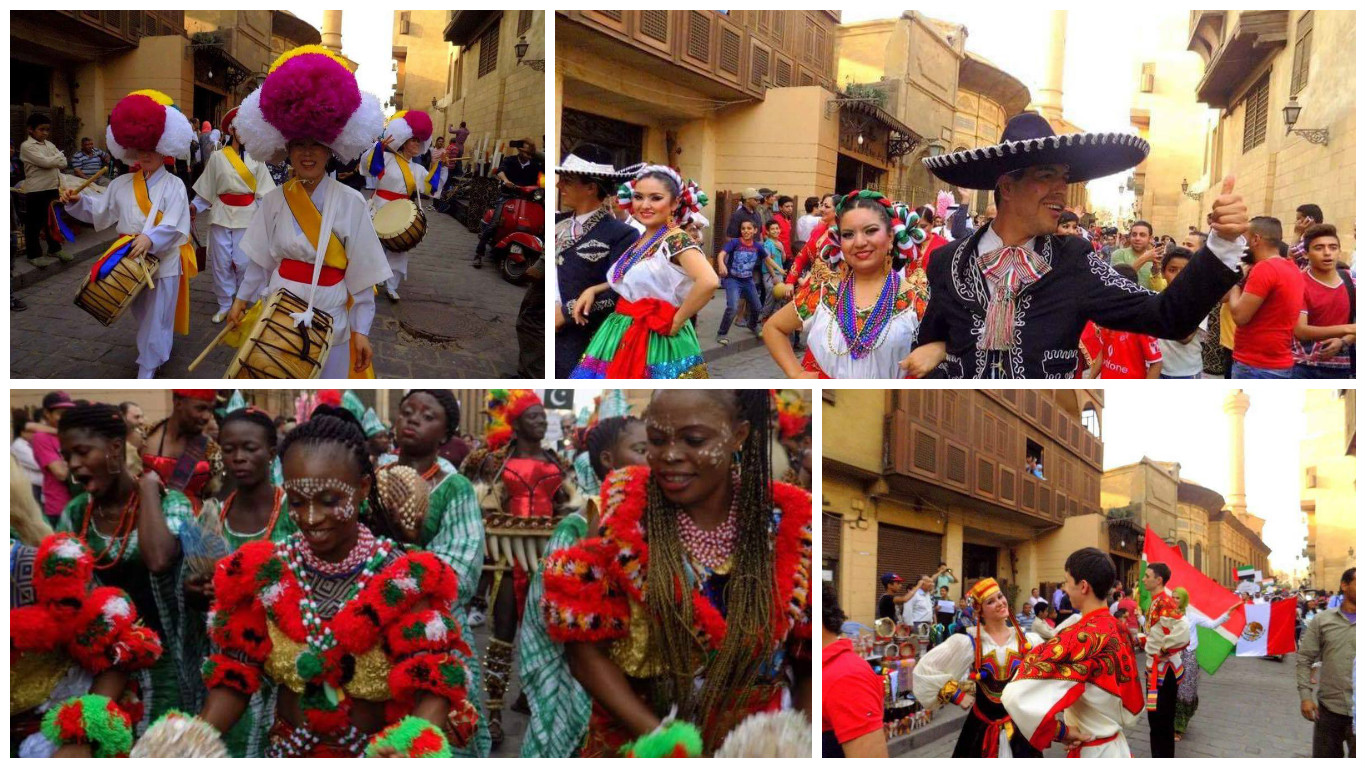
Djibouti’s Military Bases and International Relations

rashemamelson.org – Djibouti, a small nation strategically located at the mouth of the Red Sea, has become a hub for military bases due to its geopolitical significance. This article explores the role of Djibouti’s military bases in shaping its international relations and the broader implications for regional security.

Strategic Importance of Djibouti

Djibouti’s strategic location at the Bab-el-Mandeb strait, which connects the Red Sea to the Gulf of Aden and the Indian Ocean, makes it a crucial maritime chokepoint. This position has attracted several countries to establish military bases in Djibouti, enhancing the country’s significance in international affairs.

Military Bases in Djibouti

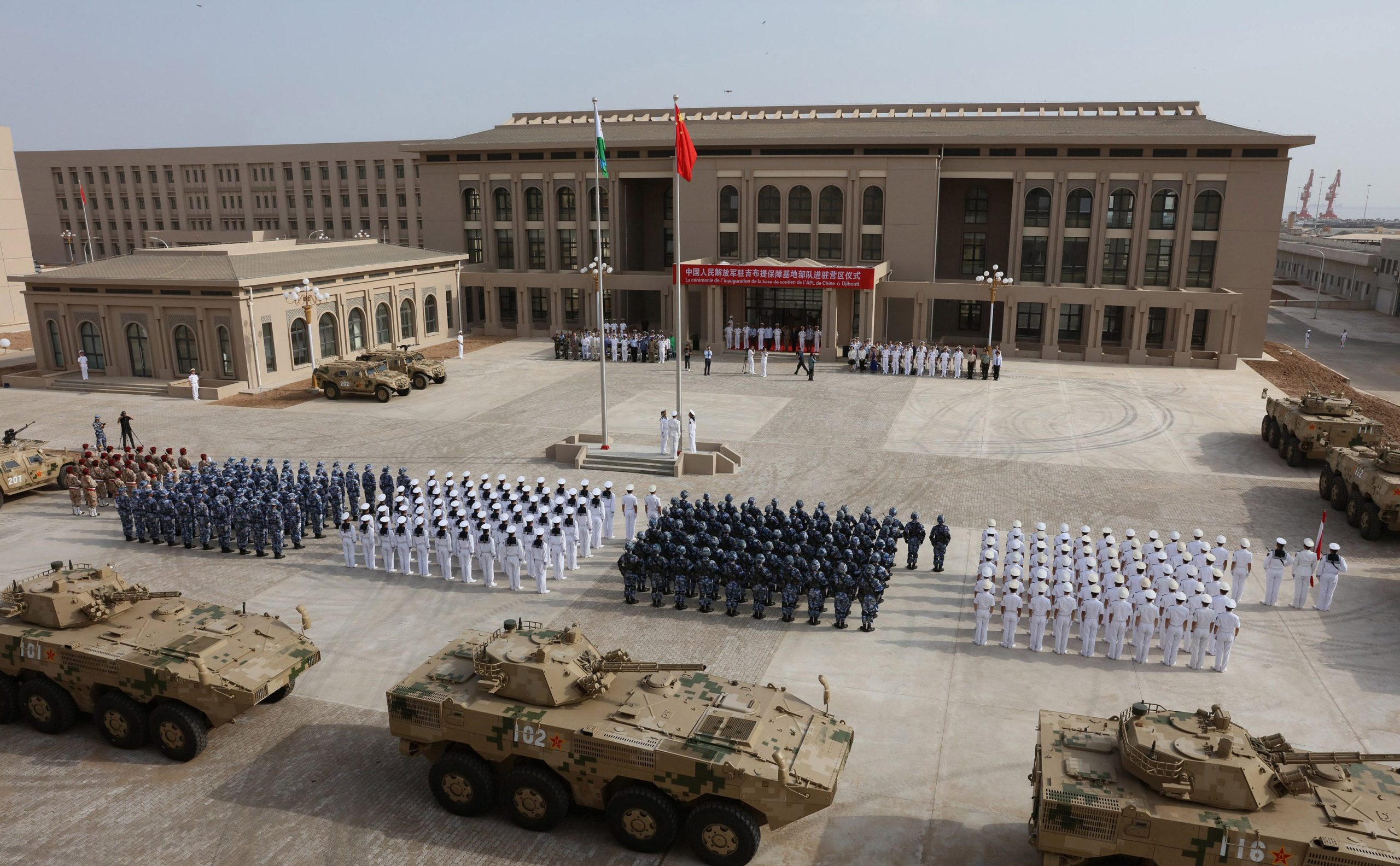
Djibouti hosts military bases from various countries, including the United States, France, Japan, Italy, and China. The most notable among these is the United States’ Camp Lemonnier, which serves as a key base for operations in the Horn of Africa and the Middle East. France maintains a base as part of its military presence in its former colonies, while China’s base in Djibouti is its first overseas military facility, reflecting the country’s growing global military ambitions.

Impact on International Relations

The presence of these military bases has significantly influenced Djibouti’s international relations. The country has leveraged its strategic position to forge alliances and secure economic benefits from the nations that have established bases within its territory. This has allowed Djibouti to play a more prominent role in regional diplomacy and has provided it with a degree of protection against potential threats.

Economic Benefits and Challenges

The hosting of military bases has brought economic benefits to Djibouti, including infrastructure development, job creation, and revenue from leasing land to foreign militaries. However, it has also raised concerns about sovereignty and the potential for Djibouti to become embroiled in the geopolitical rivalries of the countries operating the bases.

Regional Security Implications

Djibouti’s military bases have broader implications for regional security. They serve as platforms for counter-terrorism operations, maritime security initiatives, and humanitarian assistance. However, the concentration of military assets in the region also has the potential to escalate tensions, particularly given the strategic competition between major powers like the United States and China.

Conclusion

Djibouti’s military bases are a testament to the country’s strategic importance and its role in international relations. While they have brought economic benefits and enhanced Djibouti’s diplomatic standing, they also present challenges and raise concerns about regional security. As the geopolitical landscape continues to evolve, Djibouti’s position at the crossroads of global interests will remain a key factor in shaping its future and that of the Horn of Africa.

The Global Beatdown: International Drum Festivals and Concerts

rashemamelson.org – The rhythmic heartbeat of music knows no boundaries, transcending cultures and languages to unite people from all corners of the globe. Among the most exhilarating expressions of this universal language are international drum festivals and concerts, where the pulse of the planet is celebrated with passion, precision, and an infectious energy that resonates with every beat. These events are not just musical gatherings; they are vibrant cultural exchanges, educational platforms, and celebrations of the human spirit. In this article, we will embark on a journey around the world, exploring some of the most renowned international drum festivals and concerts that bring together drummers, percussionists, and music lovers in a symphony of rhythm and joy.

Brazil: Festival de Panela

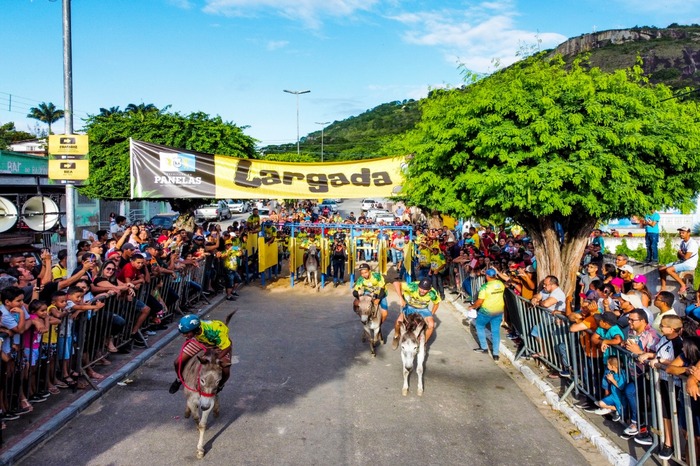
Festival Nacional de Jericos de Panelas acontece neste final de semana e  tem 60 mil em prêmios | Local: Diario de PernambucoStarting in Brazil, the Festival de Panela is a vibrant celebration of Afro-Brazilian culture, featuring the powerful rhythms of samba, batucada, and other traditional Brazilian percussion styles. Held in cities like Rio de Janeiro and Salvador, this festival showcases the country’s rich musical heritage, with street parades, drum circles, and performances by some of Brazil’s most talented drummers. The festival is a testament to the importance of drums in Brazilian society, serving as a unifying force that brings people together in a celebration of life and rhythm.
Japan: Tokyo Drum Festival

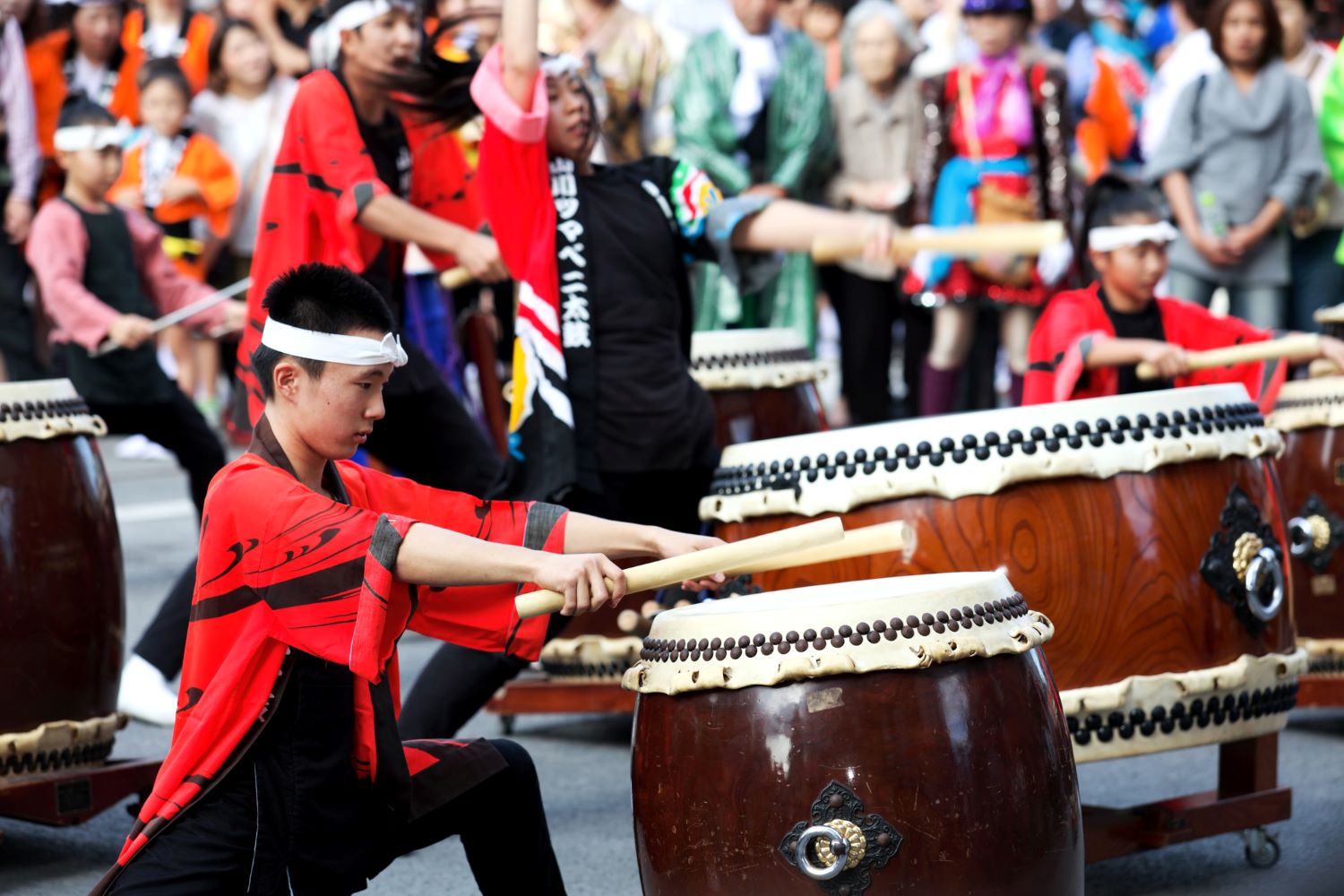
Taiko: What are those big powerful drums you see at festivals in Japan? -  Japan Today
Across the globe in Tokyo, Japan, the Tokyo Drum Festival is a showcase of both traditional and contemporary drumming. This festival features performances by renowned taiko drummers, whose powerful and precise playing captivates audiences with its intensity and beauty. The festival also includes workshops and demonstrations, offering a glimpse into the discipline and dedication required to master the art of taiko. The Tokyo Drum Festival is a bridge between tradition and innovation, highlighting the evolution of drumming in Japanese culture.

United States: PASIC (Percussive Arts Society International Convention)

Percussive Arts Society International Convention, 11.01.12
In the United States, the Percussive Arts Society International Convention (PASIC) is the world’s largest percussion event, attracting drummers and percussionists from around the globe. Held annually, PASIC features concerts, clinics, masterclasses, and an exhibition hall filled with the latest percussion instruments and technology. It’s a melting pot of musical styles, where jazz, rock, Latin, and orchestral percussionists come together to share knowledge, perform, and celebrate their craft. PASIC is not just a festival; it’s a comprehensive educational experience that leaves a lasting impact on attendees.

Germany: Drums & Percussion Days

95 Girls Drummers Red Uniforms Stock Video Footage - 4K and HD Video Clips  | Shutterstock
Germany’s Drums & Percussion Days is a festival that combines live performances with a trade show atmosphere. Held in cities like Frankfurt, it features clinics, concerts, and exhibitions that showcase the latest in drum technology and percussion instruments. With performances by international artists and a focus on education, the festival is a hub for drummers and percussionists looking to expand their skills and network with fellow musicians.

Senegal: Tambacounda Drum Festival

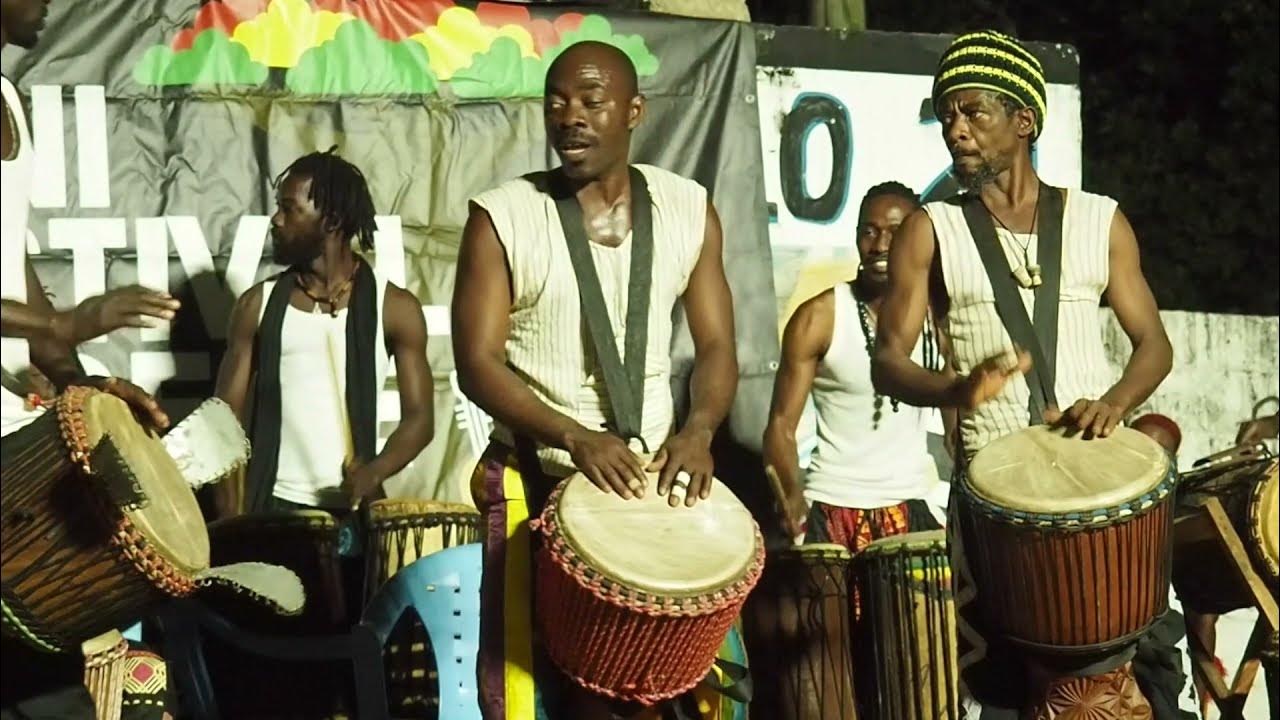
Percussion Djembe; Senegal Casamance; Mini Festival Abéné
The Tambacounda Drum Festival in Senegal is a celebration of West African drumming and dance. Set against the backdrop of the Sahel region, this festival is a vibrant display of traditional rhythms and cultural expressions. Local and international artists come together to share the rhythms of sabar, djembe, and other African drums, creating a unique sonic landscape that reflects the region’s rich musical heritage. The festival is also a platform for social and environmental issues, using the power of music to bring about positive change.

Conclusion:
International drum festivals and concerts are more than just musical events; they are cultural phenomena that encapsulate the essence of human creativity and expression. From the samba beats of Brazil to the taiko drums of Japan, and from the urban stages of the United States to the traditional rhythms of Senegal, these gatherings remind us of the universal language of rhythm and its ability to connect us all. The Global Beatdown is a testament to the power of drums to unite people, transcend cultural barriers, and inspire a shared sense of joy and community. As we continue to explore the world’s diverse musical landscapes, let us celebrate the drummers and percussionists who keep the heartbeat of our planet alive and vibrant.