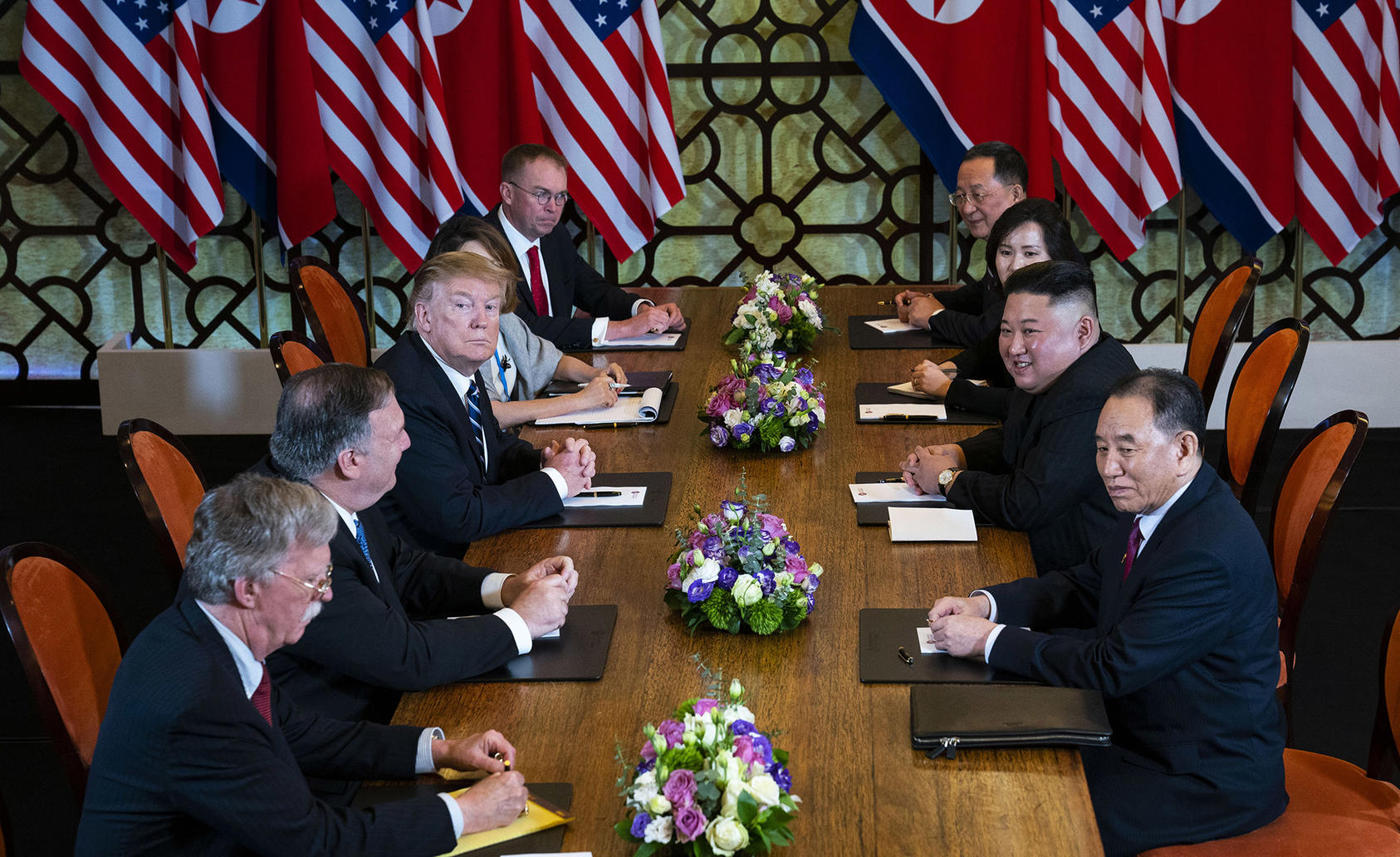
rashemamelson.org – North Korea, officially known as the Democratic People’s Republic of Korea (DPRK), has long been a subject of international intrigue due to its reclusive nature and unpredictable diplomatic strategies. Despite its isolationist tendencies, North Korea has engaged in international diplomacy to advance its national interests, secure its regime, and navigate the complexities of the global political landscape. This article explores the strategies employed by North Korea in its international diplomacy and the challenges it faces in the pursuit of its foreign policy objectives.
Strategies Employed by North Korea
- Leveraging Nuclear Ambitions
One of the most prominent strategies in North Korea’s diplomatic arsenal is its nuclear program. The DPRK has used its pursuit of nuclear weapons to gain leverage in negotiations with major powers, particularly the United States. By periodically conducting missile tests and nuclear detonations, North Korea seeks to demonstrate its military capabilities and coerce concessions from its adversaries. - Playing the Great Powers Against Each Other
North Korea has skillfully exploited the geopolitical rivalries between major powers to its advantage. It has sought to drive wedges between the United States and its regional allies, such as South Korea and Japan, while also engaging in diplomatic overtures with China and Russia to secure economic and political support. - Humanitarian Diplomacy
In an effort to improve its international image and garner support, North Korea has participated in humanitarian diplomacy. This includes hosting international sporting events, sending athletes to compete in the Olympics, and engaging in cultural exchanges. These activities are aimed at softening its image and fostering a narrative of normalcy and cooperation. - Cyber Diplomacy
The DPRK has also embraced cyber diplomacy as a tool for exerting influence and generating revenue. North Korean cyber operations have targeted financial institutions, governments, and critical infrastructure, showcasing its capabilities in the digital realm and serving as a form of covert diplomacy.
Challenges Faced by North Korea
- International Sanctions
One of the most significant challenges to North Korea’s international diplomacy is the web of economic sanctions imposed by the United Nations, the United States, and other countries. These sanctions aim to curb the DPRK’s nuclear program and have severely limited its economic activities and international trade. - Isolation and Reputation
North Korea’s long-standing policy of isolation has led to a poor international reputation, making it difficult to establish trust and credibility in diplomatic circles. Its human rights record and belligerent rhetoric further isolate it from the global community. - Regional Security Concerns
The DPRK’s aggressive posturing and military provocations have heightened regional security concerns, particularly among its neighbors. South Korea, Japan, and other regional powers are wary of North Korea’s intentions, which complicates diplomatic efforts and hinders regional stability. - Leadership Succession
The issue of leadership succession in North Korea poses a challenge to its international diplomacy. The DPRK’s opaque political system and the potential for leadership instability create uncertainty and make long-term diplomatic engagements risky for other nations.
Conclusion
North Korea’s international diplomacy is characterized by a blend of strategic assertiveness and calculated risk-taking. While it has employed a range of tactics to advance its interests, from nuclear brinkmanship to cyber operations, it also faces significant challenges that limit its diplomatic effectiveness. As the international community continues to grapple with the North Korean conundrum, understanding the strategies and challenges of its international diplomacy is crucial for navigating the complexities of engagement with the DPRK.
