
Elodie Yung: A Rising Star with Cambodian Roots

rashemamelson.org – Elodie Yung, a name that has been steadily gaining international recognition, is a talented actress with a unique blend of French elegance and Cambodian heritage. Born in Paris on February 22, 1981, Yung’s diverse background has shaped her into a versatile performer who has captivated audiences worldwide.   

A Passion for Performance

Yung’s journey into the world of acting began with a strong passion for performance. She studied law at the University of Paris, but her true calling lay in the realm of drama. She eventually pursued her acting dreams at the London Academy of Music and Dramatic Art, where she honed her skills and prepared for a career on the big screen.   

A Breakthrough Role

Yung’s breakthrough role came in 2013 when she portrayed Kim Arashikage/Jinx in the action-packed film “G.I. Joe: Retaliation.” Her stunning martial arts skills and captivating presence on screen caught the attention of both critics and audiences alike.   

A Marvelous Transformation

However, it was her portrayal of Elektra Natchios in the Netflix series “Daredevil” and “The Defenders” that truly solidified her status as a rising star. Yung’s portrayal of the deadly assassin was both mesmerizing and terrifying, showcasing her ability to seamlessly blend grace and brutality. Her performance was praised for its intensity and authenticity, earning her a dedicated fanbase.

A Versatile Actress

Beyond her action-packed roles, Yung has also demonstrated her versatility as an actress. She has starred in a variety of films and television shows, including the historical drama “Gods of Egypt,” the thriller “Narcopolis,” and the comedy-drama “The Cleaning Lady.” Her ability to adapt to diverse genres and portray complex characters has made her a sought-after talent in Hollywood.   

A Cultural Bridge

As a French-Cambodian actress, Yung has become a cultural bridge between the two countries. She has embraced her Cambodian heritage and has used her platform to raise awareness about the rich culture and history of Cambodia. Her success has inspired many young Asian actors and has helped to break down stereotypes in the entertainment industry. 

A Bright Future

With her talent, dedication, and undeniable charisma, Elodie Yung is poised to continue her ascent to stardom. Her future projects promise to showcase her versatility and further solidify her position as one of Hollywood’s most exciting talents. As she continues to inspire and entertain audiences worldwide, Yung’s impact on the entertainment industry is sure to be felt for years to come.

Key Points About Elodie Yung:

  • Birthdate: February 22, 1981   
  • Birthplace: Paris, France   
  • Notable Roles: Elektra Natchios in “Daredevil” and “The Defenders,” Kim Arashikage/Jinx in “G.I. Joe: Retaliation”   
  • Cultural Heritage: French-Cambodian   
  • Accomplishments: Talented actress, martial artist, and cultural icon   

In Conclusion

Elodie Yung’s journey from Paris to Hollywood is a testament to her talent, hard work, and unwavering determination. Her ability to captivate audiences with her performances and her commitment to representing her heritage have made her a role model for aspiring actors and a beloved figure in the entertainment industry. As she continues to push the boundaries of her craft, Yung’s future is undoubtedly bright.
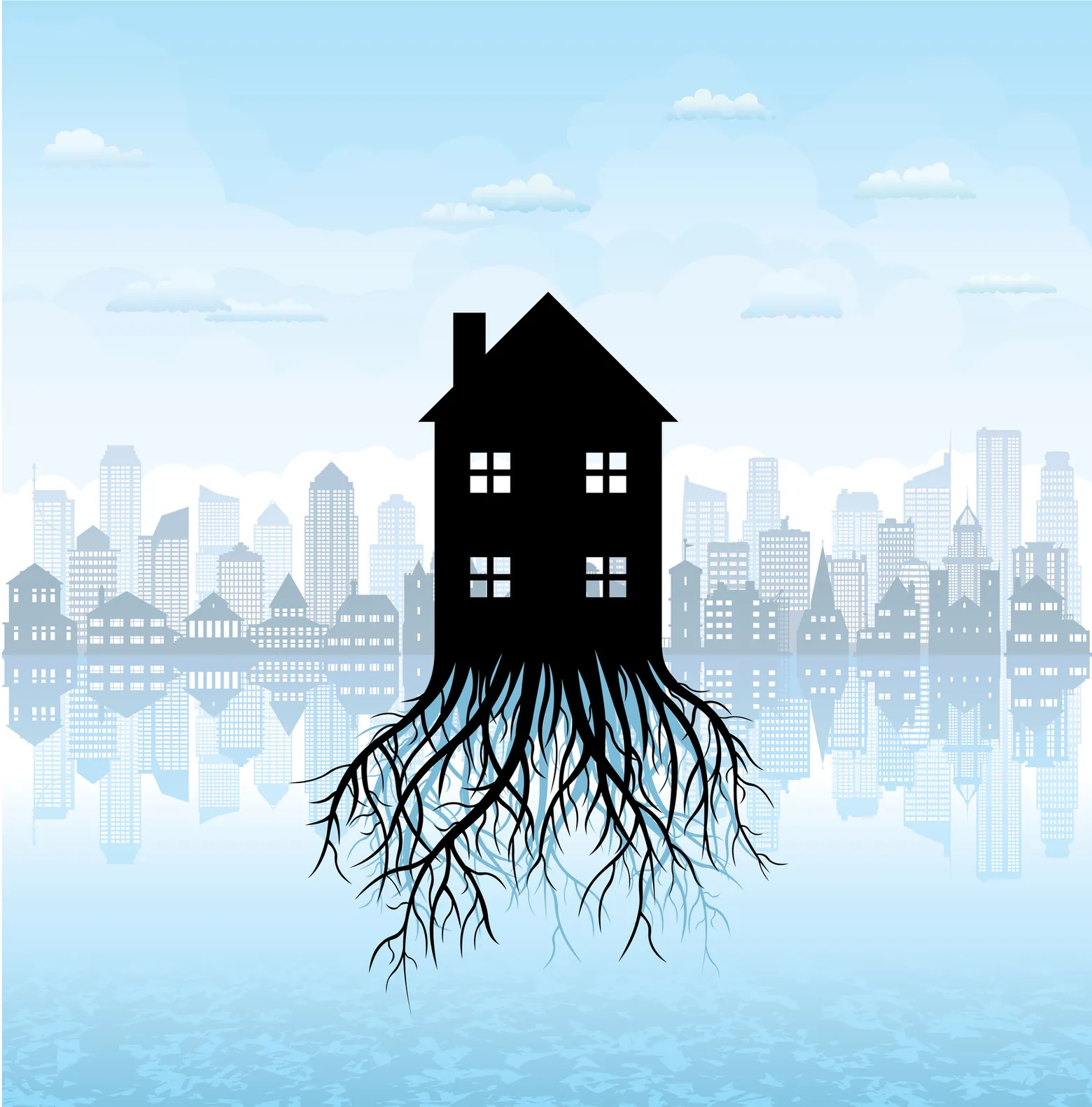
The Connection Between People and Their Homes

Homes are more than just structures of wood, brick, and mortar; they are the physical manifestations of our roots and the rafters that hold up the roofs of our lives. The connection between people and their homes is a profound one, woven into the very fabric of our existence. It is a relationship that transcends mere shelter, becoming a repository of memories, a reflection of identity, and a cornerstone of community. At the heart of this connection lies the concept of roots. Roots are not just the physical anchors that tie a building to the earth; they are the emotional and historical ties that bind people to their homes. They are the stories passed down through generations, the laughter and tears absorbed into the walls, and the sense of belonging that comes from a place that has witnessed the milestones of our lives. Roots are what make a house a home, transforming it from a mere structure into a sanctuary that holds our history and heritage. Rafters, on the other hand, represent the support systems that enable our homes to stand tall and strong against the storms of life. They are the beams that hold up the roof, symbolizing the relationships, values, and traditions that uphold our sense of self and community. Just as rafters distribute the load and protect the inhabitants from the elements, the rafters of our social and familial structures provide the support and stability we need to thrive. The connection between people and their homes is further deepened by the sense of identity that a home can provide. Our homes often reflect our personalities, tastes, and aspirations. They are a canvas on which we paint our lives, choosing colors, textures, and decorations that resonate with our inner selves. This personalization creates a space that is uniquely ours, a place where we can be our truest selves. Moreover, homes are the settings for our daily rituals and routines, which are the threads that weave the fabric of our lives. The kitchen table where family meals are shared, the living room where games are played, and the backyard where memories are made—these are the stages on which our lives unfold. These rituals create a sense of continuity and normalcy, providing comfort and stability in a changing world. The relationship between people and their homes is also a reflection of the broader community. Homes are part of neighborhoods, towns, and cities, each contributing to the collective identity of the place. The architecture, design, and layout of homes can influence the social fabric of a community, fostering a sense of belonging and cohesion. When homes are designed with community in mind, they can become the cornerstones of vibrant, interconnected neighborhoods where people feel valued and supported. However, the connection between people and their homes is not always a positive one. For some, homes can be sites of struggle, where financial burdens, housing insecurity, or negative memories cast a shadow. In these cases, the rafters may feel weak, and the roots may be strained. It is in these moments that the importance of community and support systems becomes even more evident, as they work to strengthen the rafters and nurture the roots, ensuring that everyone has the opportunity to feel secure and at home. In conclusion, the connection between people and their homes is a multifaceted and deeply personal one. It is about roots and rafters—the emotional ties that anchor us and the support systems that uphold us. Our homes are not just places where we live; they are the backdrops to our lives, the keepers of our stories, and the foundations of our identities. As we navigate the complexities of life, may we remember the importance of nurturing the roots and rafters that make our homes—and by extension, our lives—strong and enduring.