A Timeline of His Life and Career: The Legacy of Prince

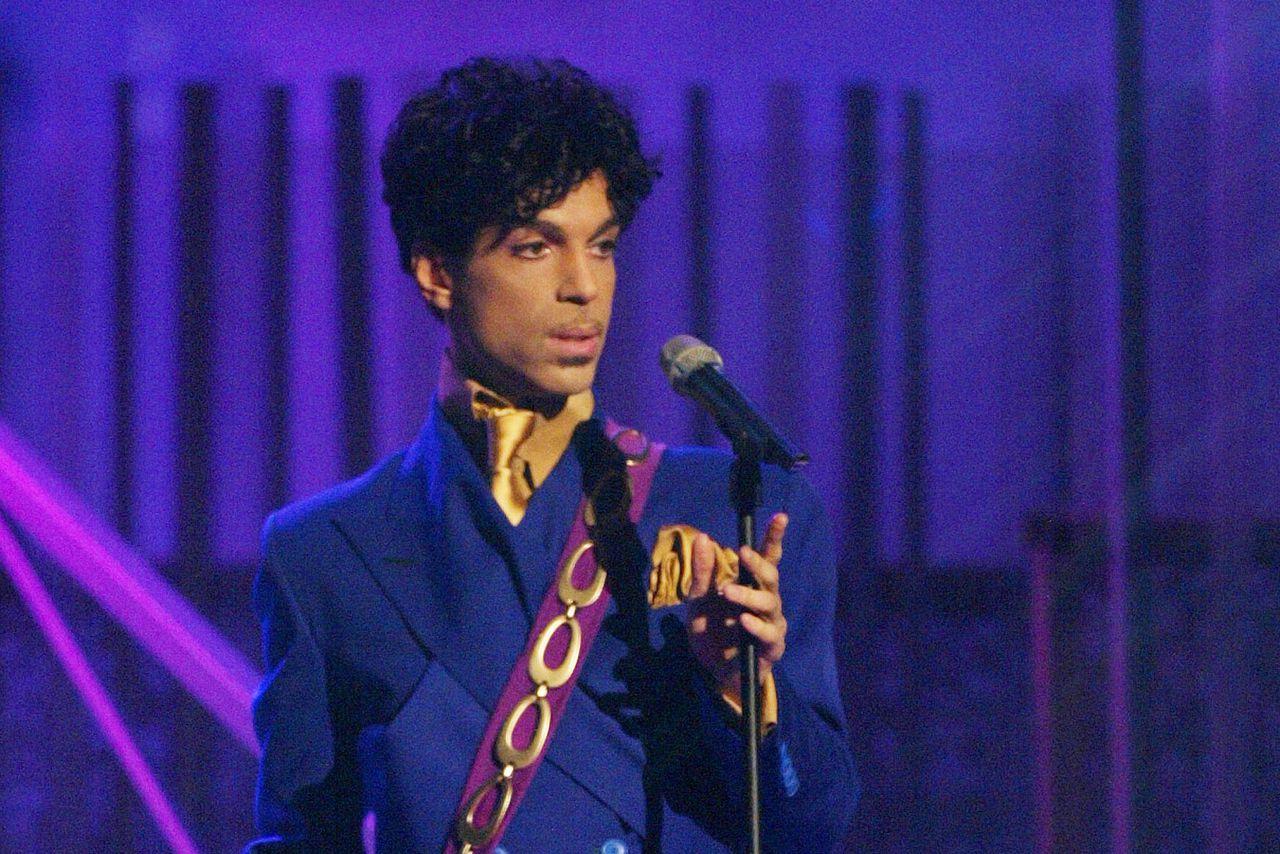
rashemamelson.org – Prince Rogers Nelson, born on June 7, 1958, in Minneapolis, Minnesota, was a multifaceted artist who left an indelible mark on the music industry. His career spanned over four decades, during which he not only revolutionized music but also challenged societal norms through his art.

Early Life and Career Beginnings

Prince began his musical journey at a young age, influenced by his father, John L. Nelson, who was a jazz musician. He started playing various instruments and writing songs, showcasing his prodigious talent. In 1975, at the age of 17, Prince signed a contract with Warner Bros. Records, marking the beginning of his professional music career. His debut album, “For You,” was released in 1978, followed by “Prince” in 1979, which laid the groundwork for his unique sound and style.

The Rise to Stardom

Prince’s career took a significant turn with the release of “Dirty Mind” in 1980, which was followed by “Controversy” in 1981 and “1999” in 1982. These albums showcased his ability to blend various musical genres, including funk, rock, and R&B, and his provocative lyrics. However, it was the release of “Purple Rain” in 1984 that catapulted him to international fame. The album, which was also the soundtrack to the film of the same name, won an Academy Award for Best Original Song Score and became a commercial juggernaut, spending six consecutive months at the top of the US Billboard 200 chart.

The Evolution of His Art

After disbanding the Revolution, Prince continued to innovate with albums like “Sign o’ the Times” in 1987, which was critically acclaimed as one of his greatest works. In 1993, during a contractual dispute with Warner Bros., he changed his stage name to an unpronounceable symbol, which led to his being known as The Artist Formerly Known as Prince or simply The Artist. He later reverted to his original name in 2000.

Later Years and Legacy

Prince remained a prolific artist until his untimely death on April 21, 2016, at the age of 57, from an accidental fentanyl overdose. His estate has since released numerous posthumous collections, further cementing his legacy. Prince sold over 100 million records worldwide, making him one of the best-selling music artists of all time.

Conclusion

Prince’s legacy is not just about his music but also about his unyielding creativity, his ability to transcend genres, and his influence on fashion and culture. He was a visionary who pushed the boundaries of what was possible in music, leaving a legacy that continues to inspire artists and fans alike. Prince’s life and work remind us of the power of art to challenge, to provoke, and to inspire.
Preparing for a Career in Police Work: Training for Triumph

rashemamelson.org – The allure of a career in police work is multifaceted, drawing individuals with its promise of adventure, the opportunity to serve the community, and the chance to make a tangible difference in people’s lives. However, the path to becoming a police officer is not an easy one. It requires dedication, resilience, and a commitment to rigorous training that prepares individuals for the challenges they will face on the job. This article delves into the essential aspects of training for a career in police work, highlighting the steps necessary to prepare for the triumphs and tribulations of this noble profession.

Physical Conditioning

Physical fitness is a cornerstone of police training. Officers must be in excellent physical condition to perform their duties effectively. This includes having the stamina to endure long shifts, the strength to handle physical altercations, and the agility to respond quickly to emergencies. Training programs often include a regimen of cardiovascular exercises, strength training, and agility drills. Aspiring officers should start preparing their bodies well in advance of any formal training, focusing on building endurance, strength, and flexibility.

Educational Foundation

While physical fitness is crucial, a solid educational foundation is equally important. Many police departments require applicants to have at least a high school diploma or GED. Some departments prefer or require some college education or a degree in criminal justice, law enforcement, or a related field. Courses in these areas provide valuable knowledge about the legal system, law enforcement procedures, and the social sciences, all of which are beneficial for a career in police work.

Police Academy Training

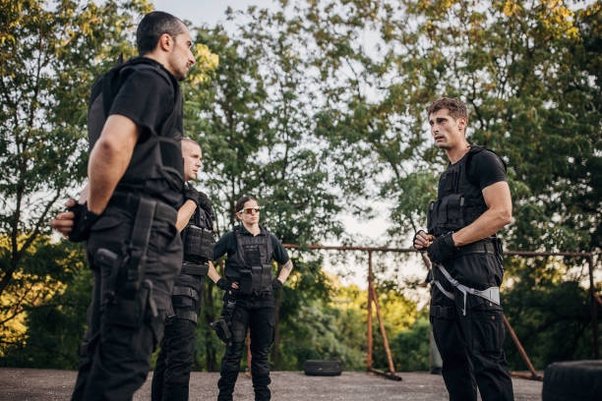
The police academy is where the real preparation for police work begins. Academy training is intense and comprehensive, covering a wide range of topics and skills. The curriculum typically includes:

  • Legal Studies: Understanding the law is fundamental for police officers. Training includes learning about criminal law, search and seizure laws, arrest procedures, and the rights of the accused.
  • Firearms Training: Officers must be proficient in the use of firearms. Training involves learning how to safely handle and shoot a firearm, as well as the rules of engagement.
  • Defensive Tactics: Officers must be able to defend themselves and others. Training includes hand-to-hand combat techniques, use of force policies, and the proper use of less-lethal weapons.
  • Emergency Vehicle Operations: High-speed chases and responding to emergencies require specialized driving skills. Officers learn how to operate police vehicles safely and effectively.
  • First Aid and Emergency Medical Care: Officers often arrive first on the scene of accidents or emergencies. Training includes basic first aid, CPR, and how to manage medical emergencies until paramedics arrive.

Emotional and Psychological Preparedness

Beyond the physical and educational requirements, police work demands emotional and psychological strength. Officers must be prepared to deal with high-stress situations, trauma, and the potential for violence. Training programs often include sessions on stress management, critical incident stress debriefing, and the importance of seeking support when needed.

Continuing Education and Specialization

Training does not end with the police academy. Officers must continue to learn and adapt throughout their careers. Many choose to specialize in areas such as forensics, cybercrime, or hostage negotiation. Continuing education keeps officers up-to-date with the latest developments in law enforcement and helps them advance in their careers.

Conclusion

Training for a career in police work is demanding, but it is also incredibly rewarding. It prepares individuals not just for the physical challenges of the job, but also for the emotional and psychological demands. Through rigorous physical conditioning, a solid educational foundation, comprehensive police academy training, and ongoing professional development, aspiring officers can prepare themselves for the triumphs and challenges of a career in law enforcement. For those who are up to the task, the journey to becoming a police officer is a path to personal growth, professional achievement, and the opportunity to make a real difference in the community.