
Tigerland (2000): A Gritty Exploration of Pre-Vietnam War Training

rashemamelson.org – “Tigerland,” directed by Joel Schumacher, is a 2000 war drama that provides a raw and realistic portrayal of the final stages of U.S. Army training before deployment to Vietnam. The film is notable for its intense performances and its focus on the psychological and moral challenges faced by soldiers. This article delves into the narrative structure, key themes, and the cultural impact of “Tigerland.”

The Narrative and Characters

Set in 1971, “Tigerland” follows a group of young recruits at Fort Polk, Louisiana, as they undergo Advanced Infantry Training. The story centers on Private Roland Bozz, played by Colin Farrell, a rebellious and charismatic draftee who questions authority and challenges the military establishment. Bozz’s anti-authoritarian attitude and natural leadership skills make him both a hero and an outcast among his fellow soldiers.

The film takes its name from “Tigerland,” a training ground designed to simulate the conditions of Vietnam. Here, the recruits must confront not only the physical demands of military training but also the psychological strains of preparing for war. Bozz’s interactions with fellow soldiers, including Private Paxton, portrayed by Matthew Davis, highlight the diverse reactions of individuals facing the prospect of combat.

Themes and Symbolism

“Tigerland” explores themes of individuality, authority, and the moral complexities of military life. At its core, the film examines the struggle between conformity and individuality within the rigid structure of the military. Bozz’s character embodies this tension, as he navigates the thin line between insubordination and leadership.

The film’s realistic depiction of military training emphasizes the dehumanizing effects of preparing for war. Through its gritty cinematography and documentary-style approach, “Tigerland” captures the raw emotions and psychological turmoil experienced by soldiers. The film also raises questions about the nature of courage and the moral dilemmas faced by those who oppose war on ethical grounds.

Cultural Impact and Legacy

“Tigerland” received critical acclaim for its authentic portrayal of military training and its focus on character-driven storytelling. Colin Farrell’s breakout performance was particularly praised for its depth and intensity, marking a significant moment in his acting career.

While “Tigerland” did not achieve major commercial success, its cultural impact lies in its honest depiction of the challenges faced by soldiers before entering combat. The film resonates with audiences as a thought-provoking exploration of individualism and morality in the face of war.

Conclusion

“Tigerland” stands out as a compelling and realistic portrayal of the psychological and moral challenges encountered by soldiers during military training. Through its focus on character development and its exploration of complex themes, the film provides a sobering reflection on the human experience of preparing for war. As a cinematic exploration of individuality and authority, “Tigerland” continues to engage viewers with its gritty realism and poignant storytelling.
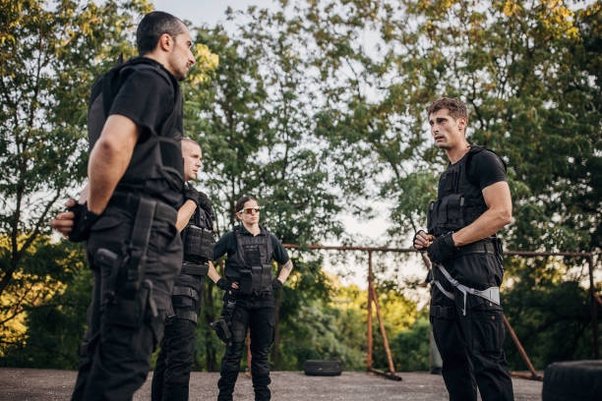
Preparing for a Career in Police Work: Training for Triumph

rashemamelson.org – The allure of a career in police work is multifaceted, drawing individuals with its promise of adventure, the opportunity to serve the community, and the chance to make a tangible difference in people’s lives. However, the path to becoming a police officer is not an easy one. It requires dedication, resilience, and a commitment to rigorous training that prepares individuals for the challenges they will face on the job. This article delves into the essential aspects of training for a career in police work, highlighting the steps necessary to prepare for the triumphs and tribulations of this noble profession.

Physical Conditioning

Physical fitness is a cornerstone of police training. Officers must be in excellent physical condition to perform their duties effectively. This includes having the stamina to endure long shifts, the strength to handle physical altercations, and the agility to respond quickly to emergencies. Training programs often include a regimen of cardiovascular exercises, strength training, and agility drills. Aspiring officers should start preparing their bodies well in advance of any formal training, focusing on building endurance, strength, and flexibility.

Educational Foundation

While physical fitness is crucial, a solid educational foundation is equally important. Many police departments require applicants to have at least a high school diploma or GED. Some departments prefer or require some college education or a degree in criminal justice, law enforcement, or a related field. Courses in these areas provide valuable knowledge about the legal system, law enforcement procedures, and the social sciences, all of which are beneficial for a career in police work.

Police Academy Training

The police academy is where the real preparation for police work begins. Academy training is intense and comprehensive, covering a wide range of topics and skills. The curriculum typically includes:

  • Legal Studies: Understanding the law is fundamental for police officers. Training includes learning about criminal law, search and seizure laws, arrest procedures, and the rights of the accused.
  • Firearms Training: Officers must be proficient in the use of firearms. Training involves learning how to safely handle and shoot a firearm, as well as the rules of engagement.
  • Defensive Tactics: Officers must be able to defend themselves and others. Training includes hand-to-hand combat techniques, use of force policies, and the proper use of less-lethal weapons.
  • Emergency Vehicle Operations: High-speed chases and responding to emergencies require specialized driving skills. Officers learn how to operate police vehicles safely and effectively.
  • First Aid and Emergency Medical Care: Officers often arrive first on the scene of accidents or emergencies. Training includes basic first aid, CPR, and how to manage medical emergencies until paramedics arrive.

Emotional and Psychological Preparedness

Beyond the physical and educational requirements, police work demands emotional and psychological strength. Officers must be prepared to deal with high-stress situations, trauma, and the potential for violence. Training programs often include sessions on stress management, critical incident stress debriefing, and the importance of seeking support when needed.

Continuing Education and Specialization

Training does not end with the police academy. Officers must continue to learn and adapt throughout their careers. Many choose to specialize in areas such as forensics, cybercrime, or hostage negotiation. Continuing education keeps officers up-to-date with the latest developments in law enforcement and helps them advance in their careers.

Conclusion

Training for a career in police work is demanding, but it is also incredibly rewarding. It prepares individuals not just for the physical challenges of the job, but also for the emotional and psychological demands. Through rigorous physical conditioning, a solid educational foundation, comprehensive police academy training, and ongoing professional development, aspiring officers can prepare themselves for the triumphs and challenges of a career in law enforcement. For those who are up to the task, the journey to becoming a police officer is a path to personal growth, professional achievement, and the opportunity to make a real difference in the community.