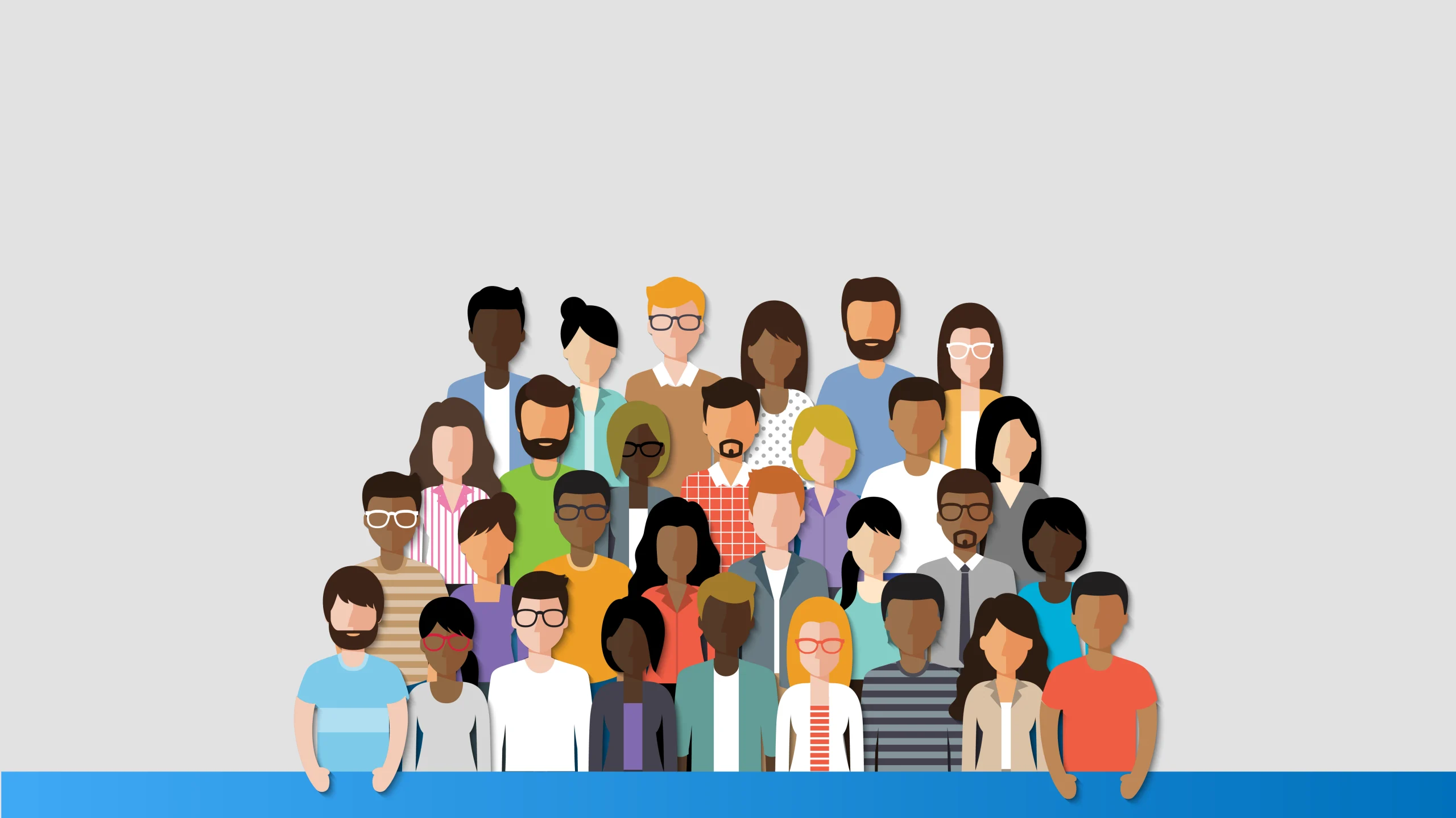
rashemamelson.org – Generation X, born between the mid-1960s and early 1980s, grew up during a time of significant societal change. This period saw shifts in cultural norms, technological advancements, and global interactions, all of which contributed to shaping the cultural identity and diversity of this generation. Understanding Gen X’s cultural landscape involves examining the influences that fostered its unique identity and the diversity that characterizes its members.
Defining Cultural Identity: Influences and Characteristics
Cultural identity among Gen X is a tapestry woven from various influences, including family background, societal changes, and global events. This generation’s identity is marked by a blend of traditional values and modern perspectives.
The Impact of Social Change
Gen X witnessed significant social changes, such as the civil rights movement, the rise of feminism, and increased awareness of LGBTQ+ issues. These movements encouraged an openness to diversity and a questioning of established norms, fostering a generation that values individual expression and inclusivity.
The Role of Technology and Media
The introduction of personal computers, video games, and the early internet during Gen X’s formative years played a crucial role in shaping their cultural identity. Media, including television shows, music videos, and films, provided new avenues for exploring diverse cultures and ideas, broadening their worldview and encouraging a more inclusive perspective.
Embracing Diversity: A Generation of Inclusion
Diversity is a defining feature of Gen X, reflected in their attitudes toward race, gender, and cultural background. Growing up in increasingly multicultural societies, Gen Xers have embraced diversity as a strength rather than a challenge.
Multicultural Upbringing
Many Gen Xers grew up in multicultural neighborhoods or were exposed to diverse cultures through travel and media. This exposure fostered an appreciation for different cultural practices, languages, and traditions, contributing to a more inclusive and empathetic worldview.
Acceptance and Advocacy
Gen X has played a vital role in advocating for diversity and inclusion across various sectors. Whether in the workplace, education, or community settings, Gen Xers have often championed initiatives that promote equality and representation, paving the way for future generations to continue these efforts.
Navigating Cultural Identity: Challenges and Opportunities
While Gen X has made significant strides in embracing diversity, navigating cultural identity has not been without challenges. Balancing traditional values with modern ideals can sometimes create tension but also offers opportunities for growth and understanding.
Bridging Generational Gaps
As Gen Xers navigate their cultural identity, they often find themselves bridging gaps between older and younger generations. This position enables them to act as mediators, facilitating conversations that promote mutual understanding and respect across age groups.
Opportunities for Growth
The challenges associated with cultural identity also present opportunities for personal and societal growth. By continuously engaging with diverse perspectives and experiences, Gen X can further enrich their understanding of themselves and the world, contributing to a more connected and harmonious society.
Conclusion: Celebrating Diversity and Identity
Cultural identity and diversity among Generation X are complex yet enriching aspects of their collective experience. By embracing diversity and advocating for inclusivity, Gen X continues to shape a cultural legacy that values both individuality and community. As they navigate the challenges and opportunities of cultural identity, Gen Xers remain a testament to the power of diversity in fostering a more inclusive and understanding world.