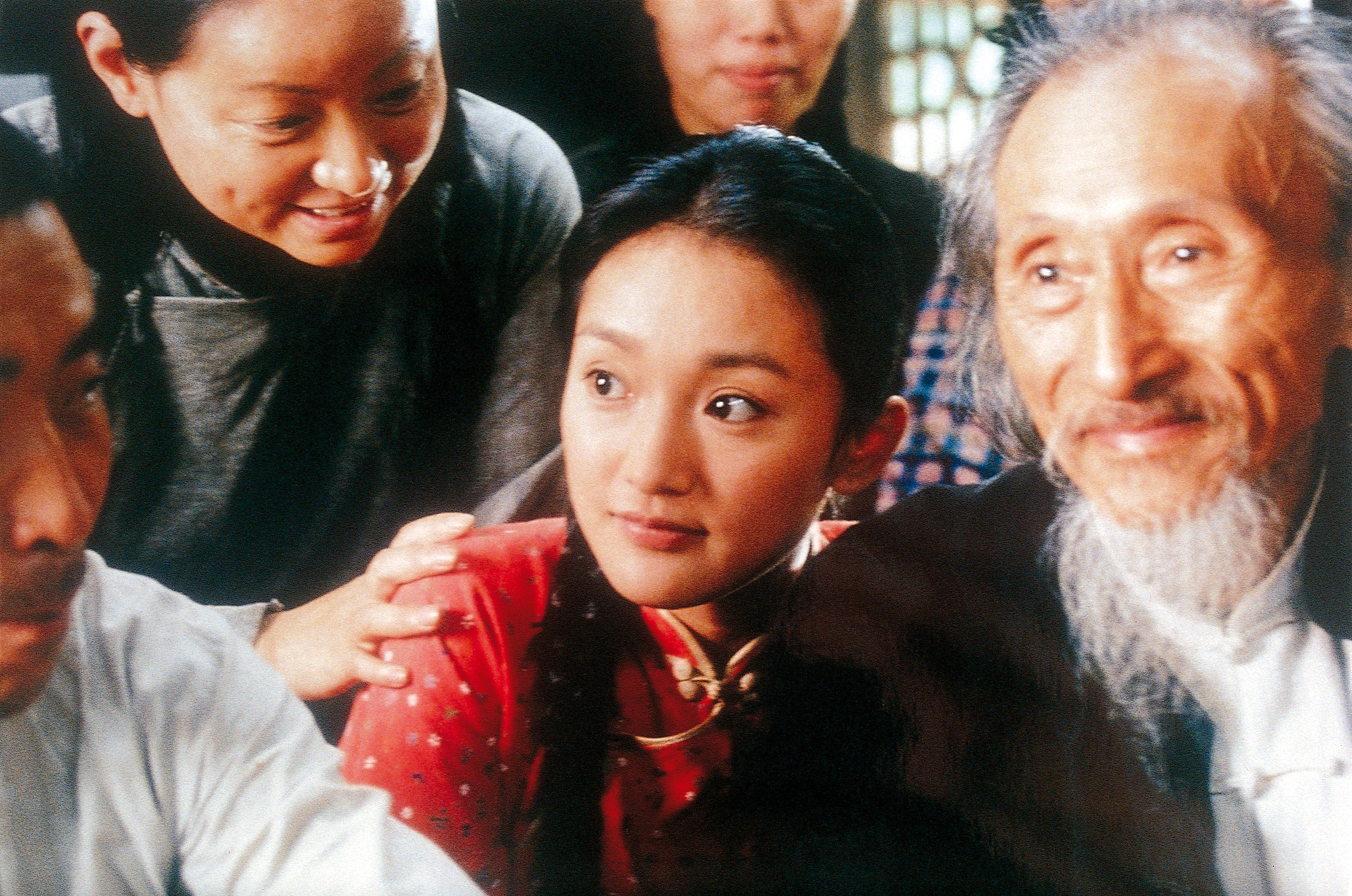
Balzac and the Little Chinese Seamstress (2002)

rashemamelson.org – “Balzac and the Little Chinese Seamstress,” directed by Dai Sijie, is a 2002 film adaptation of his own semi-autobiographical novel. Set during China’s Cultural Revolution, this enchanting film explores the transformative power of literature against the backdrop of political upheaval. It is a tender tale of love, friendship, and the liberating force of storytelling.

Plot Summary

The story unfolds in the 1970s, when two city-bred teenage boys, Ma and Luo, are sent to a remote mountain village for re-education during the Cultural Revolution. In this isolated community, they encounter the beautiful and spirited Little Seamstress, the daughter of the local tailor. The boys discover a hidden suitcase filled with forbidden Western novels, including works by Balzac, which they read aloud to the Seamstress, sharing the stories and ideas that inspire them all.

Themes and Analysis

At its heart, “Balzac and the Little Chinese Seamstress” is an exploration of the power of literature to ignite change and personal growth. The film delves into themes of freedom, identity, and rebellion, illustrating how the written word can transcend time and cultural boundaries to inspire and liberate. Through the characters’ interactions with the forbidden books, the narrative highlights the clash between oppressive political ideologies and the enduring human spirit.

Cinematic Style

Dai Sijie’s direction captures the lush, picturesque landscapes of rural China, providing a visually stunning backdrop to the story’s emotional and intellectual journey. The film’s cinematography emphasizes the contrast between the harsh realities of re-education and the imaginative worlds unlocked by literature. The use of vibrant colors and sweeping vistas enhances the film’s romantic and nostalgic tone, drawing viewers into a world where beauty and art coexist with hardship.

Cultural Impact and Reception

“Balzac and the Little Chinese Seamstress” received international acclaim for its sensitive portrayal of a tumultuous period in Chinese history. The film was praised for its nuanced performances, particularly by Zhou Xun as the Little Seamstress, and its ability to convey the universal themes of love and enlightenment. It resonated with audiences worldwide, offering a poignant glimpse into the resilience of the human spirit amidst adversity.

Conclusion

“Balzac and the Little Chinese Seamstress” is a captivating film that celebrates the transformative power of literature and the enduring strength of human connections. Through its rich storytelling and evocative imagery, the film invites viewers to reflect on the profound impact of art and culture on personal freedom and identity. Dai Sijie’s cinematic adaptation continues to enchant audiences, reminding us of the timeless nature of stories and their ability to change lives.
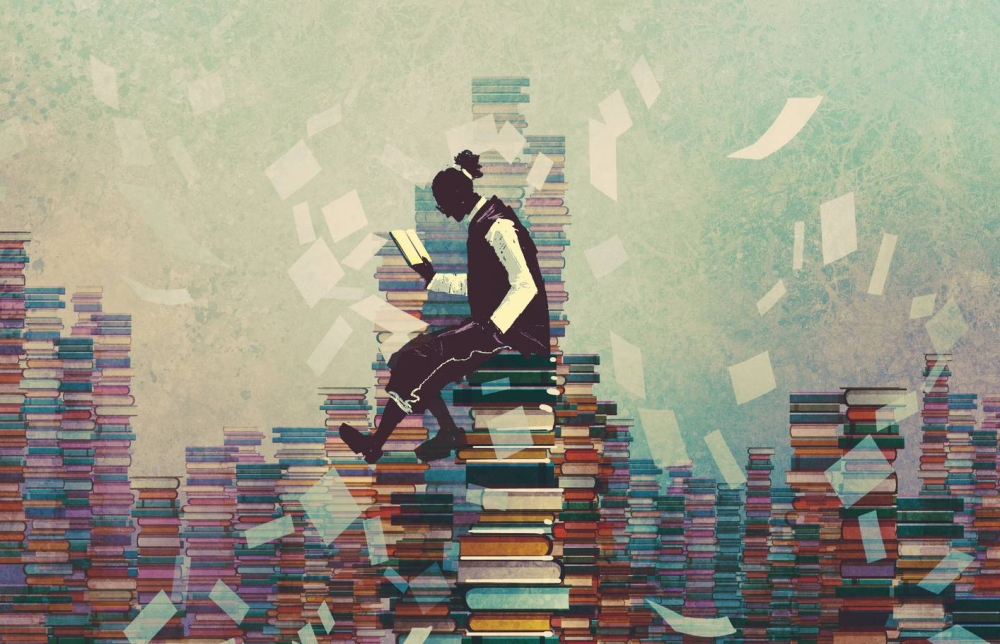

Japan’s Cultural Contributions to Global Literature in 2024

rashemamelson.org – In the year 2024, Japan continues to make significant contributions to global literature, enriching the international literary landscape with its unique cultural perspectives and storytelling traditions. This year, several notable works have been released or are anticipated, showcasing the depth and diversity of Japanese literature.

Anticipated Translations and New Releases

One of the most exciting developments in 2024 is the release of new translations and books about Japan. The Japantimes highlights the publication of “Butter: A Novel of Food and Murder” by Asako Yuzuki, a gripping fiction that combines elements of mystery and culinary culture. Additionally, Robert Whiting’s “Gamblers” offers a non-fiction exploration of the gambling culture in Japan, providing insights into a lesser-known aspect of Japanese society.

Tokyoweekender lists ten new Japan-related books, including the first English translation of Japanese yokai stories, which are expected to introduce these mythical creatures to a global audience. These translations not only expand the reach of Japanese literature but also contribute to a deeper understanding of Japanese folklore and cultural heritage.

Scholarly Contributions and Global Appreciation

The Japanese Literature Publishing Project (JLPP) plays a crucial role in promoting contemporary Japanese literature globally. It hosts translation competitions and workshops, facilitating the translation of Japanese literature into various languages. This initiative helps to bridge cultural gaps and fosters a global appreciation of Japanese literature.

Monumenta Nipponica, a scholarly journal published by Sophia University, contributes to the global understanding of Japanese literature, art, and culture by publishing original scholarly articles and translations. This journal serves as a platform for international scholars to engage with Japanese cultural studies, furthering the global dissemination of Japanese literature.

Cultural Exchange and Influence

Japan’s cultural exchange with the West has long been a significant aspect of its literary development. The influence of Western culture on Japanese literature is evident in the works of contemporary Japanese authors, who often incorporate Western themes and styles into their narratives. This cultural exchange not only enriches Japanese literature but also contributes to the global literary canon.

The 2024 International Conference on Languages, Literature, and Linguistics (ICLLL) in Tokyo will provide a platform for international scholars to discuss the internationalization and universalization of Japanese literature. This conference underscores the importance of Japanese literature in the global context and highlights its role in fostering cultural exchange.

Conclusion

In 2024, Japan’s contributions to global literature are marked by a blend of traditional storytelling and modern innovation. Through new translations, scholarly contributions, and international conferences, Japanese literature continues to influence and enrich the global literary landscape. As Japan’s cultural exchanges with the world deepen, its literature is poised to play an increasingly significant role in shaping the future of global literature.

The Impact of Censorship on Literature

rashemamelson.org – Censorship, the act of examining and suppressing or altering materials that are deemed objectionable for moral, political, or security reasons, has a profound impact on literature. Throughout history, literature has been a mirror reflecting society’s values, beliefs, and conflicts. It has also been a tool for challenging the status quo, exploring controversial topics, and advocating for change. However, when censorship is imposed, it not only affects the literary works themselves but also the broader cultural and intellectual landscape. This article explores the multifaceted impact of censorship on literature, examining its effects on authors, readers, and society as a whole.

Stifling Creativity and Freedom of Expression

One of the most immediate impacts of censorship on literature is the stifling of creativity and freedom of expression. Writers often explore complex, controversial, or sensitive topics in their work, pushing the boundaries of thought and challenging societal norms. Censorship, by its very nature, limits what can be written and published, thereby inhibiting the creative process. This can lead to self-censorship, where authors censor themselves to avoid potential backlash, which can dampen the vibrancy and diversity of literary output.

Erosion of Intellectual Freedom

Censorship also erodes intellectual freedom, which is essential for the development of a well-informed and critical citizenry. Literature plays a crucial role in fostering empathy, understanding, and critical thinking. By restricting access to certain ideas or perspectives, censorship limits the exposure of readers to diverse viewpoints, potentially leading to a less informed and more homogenized society.

Historical and Cultural Loss

The impact of censorship on literature extends beyond the immediate effects on authors and readers. It can also result in a loss of historical and cultural knowledge. When books are banned or destroyed, the stories, experiences, and perspectives they contain are lost. This can lead to a skewed understanding of history and a diminished appreciation of cultural diversity.

Resistance and Creativity

Despite the challenges posed by censorship, it has also inspired resistance and creativity within the literary community. Throughout history, writers have found ways to circumvent censorship, using allegory, metaphor, and other literary devices to convey their messages. This has led to some of the most innovative and enduring works of literature. Moreover, the act of banning a book can sometimes increase its allure, leading to a surge in interest and readership.

Conclusion

The impact of censorship on literature is complex and far-reaching. While it can stifle creativity, erode intellectual freedom, and lead to cultural loss, it has also inspired resistance and innovation. The struggle against censorship is, at its heart, a fight for the right to explore ideas, express oneself freely, and engage in open dialogue. As such, it is a battle that touches on the very essence of what it means to be human. In the face of censorship, the resilience of literature and the human spirit shines through, reminding us of the power of words to challenge, inspire, and transform.