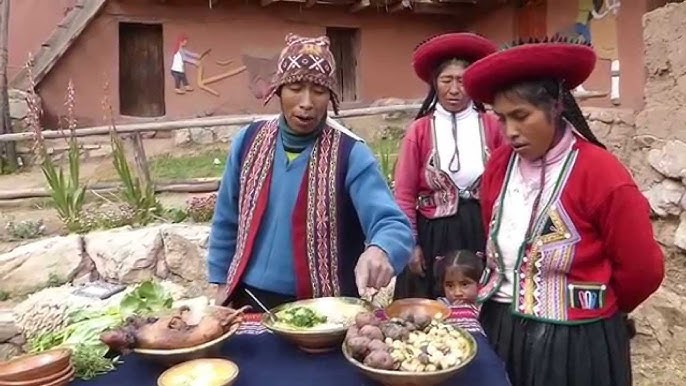
Ancient Andes: Foods of the High Altitude

rashemamelson.org – The Andes Mountains, stretching across South America, are home to some of the most diverse and resilient ecosystems on the planet. The ancient peoples of the Andes, including the Inca civilization, developed a rich culinary tradition shaped by the challenging high-altitude environment. This article explores the foods that sustained these communities, highlighting their agricultural ingenuity, staple ingredients, and enduring culinary practices.

Agricultural Innovation in the Andes

Adapting to the High Altitude

The high-altitude environment of the Andes presented unique challenges for agriculture, including harsh weather conditions and limited arable land. To overcome these obstacles, the ancient Andean peoples developed sophisticated terracing and irrigation systems. These terraces, known as “andenes,” allowed them to maximize crop yields by preventing soil erosion and capturing water efficiently.

Key Crops and Livestock

The Andean farmers cultivated a variety of crops that were well-suited to the high-altitude conditions. Potatoes, quinoa, and maize were among the most important staples. Additionally, they domesticated llamas and alpacas, which provided wool, meat, and transportation.

Staple Foods of the Andean Diet

Potatoes and Tubers

The potato, native to the Andes, was a dietary cornerstone for the ancient inhabitants. With thousands of varieties, potatoes were consumed in various forms, from boiled and baked to freeze-dried as chuño. Other tubers, like oca and mashua, also contributed to the Andean diet.

Quinoa and Grains

Quinoa, a protein-rich grain native to the Andes, was a vital food source. Its high nutritional value made it a staple for both everyday meals and ceremonial occasions. Amaranth and canihua were other grains cultivated by the Andeans, adding diversity to their diet.

Culinary Practices and Traditions

Cooking Methods and Preservation

Cooking in the Andes often involved simple methods such as boiling, roasting, and steaming. The Andeans also developed unique preservation techniques, like freeze-drying, to store food for harsh winters. This process, known as “ch’arki” for meat and “chuño” for potatoes, ensured a stable food supply throughout the year.

Communal Eating and Festivals

Food played a central role in Andean social and religious life. Communal meals and feasts were common during festivals and agricultural ceremonies. These gatherings reinforced community ties and celebrated the relationship between the people and their environment.

Conclusion

The ancient peoples of the Andes were masters of adaptation, developing a cuisine that thrived in one of the world’s most challenging environments. Their innovative agricultural techniques, diverse staple foods, and communal culinary traditions laid the foundation for a rich cultural heritage. Today, the legacy of the Andean diet continues to influence modern culinary practices, offering a glimpse into a resilient and resourceful way of life that has endured for centuries. As we explore the foods of the high altitude, we honor the ingenuity and spirit of the Andean people.

McDonald’s: The Global Fast Food Phenomenon

rashemamelson.org – In the world of fast food, McDonald’s stands as an iconic behemoth, a symbol of globalization and the American dream. From its humble beginnings in 1940 as a barbecue restaurant operated by Richard and Maurice McDonald in San Bernardino, California, to becoming the world’s largest chain of hamburger fast food restaurants, McDonald’s has become a cultural phenomenon. With its golden arches recognized in virtually every corner of the globe, McDonald’s has not only revolutionized the way we eat but also how businesses operate on a global scale.

The Birth of a Fast Food Empire

The McDonald brothers’ initial venture into the food industry was not an immediate success. It was not until they simplified their menu to focus on hamburgers, french fries, and beverages that they began to see the potential for rapid service and high volume sales. This innovative approach caught the attention of Ray Kroc, a salesman who saw the potential for franchising the concept. In 1955, Kroc opened the first franchise in Des Plaines, Illinois, and the rest, as they say, is history.

Global Expansion

McDonald’s global expansion began in the late 1960s and has since been a relentless force. The first international location opened in Richmond, British Columbia, Canada, in 1967, followed by one in Tokyo, Japan, in 1971. Today, McDonald’s operates over 38,000 restaurants across 100 countries, serving 68 million customers every day. The brand’s ability to adapt to local tastes and cultures while maintaining its core menu items has been a key factor in its global success. From the McArabia in the Middle East to the McBaguette in France, McDonald’s has shown a remarkable ability to tailor its offerings to local preferences.

The McDonald’s Experience

Beyond its food, McDonald’s has cultivated a unique experience that resonates with customers worldwide. The brand’s emphasis on speed, consistency, and value has made it a go-to for quick meals. Its play areas and Happy Meals have endeared it to families, while its marketing, including the iconic Ronald McDonald character, has become a part of popular culture. McDonald’s has also been at the forefront of technological advancements in the fast food industry, with innovations such as drive-thru restaurants and mobile app ordering.

Controversies and Challenges

Despite its success, McDonald’s has faced its share of controversies and challenges. Critics have pointed to the nutritional value of its menu items, linking them to obesity and other health issues. The brand has responded by introducing healthier options and providing nutritional information. Environmental concerns have also been raised, prompting McDonald’s to make strides in sustainability, such as reducing packaging waste and sourcing ingredients responsibly.

Labor practices have been another area of scrutiny, with calls for better wages and working conditions. McDonald’s has been a focal point in the Fight for $15 movement, which advocates for a higher minimum wage. The company has gradually increased wages in some markets, though debates continue about the adequacy of these measures.

Looking to the Future

As McDonald’s continues to evolve, it faces new challenges in a rapidly changing food industry. The rise of health-conscious and plant-based diets, along with increased competition from fast-casual restaurants and food delivery services, requires the brand to innovate and adapt. McDonald’s has shown a willingness to experiment, with tests of plant-based burgers and customizable menus, indicating a commitment to staying relevant in a dynamic market.

Conclusion

McDonald’s journey from a small restaurant in California to a global fast food phenomenon is a testament to the power of innovation, adaptation, and branding. While it has faced and will continue to face challenges, its enduring popularity and ability to reinvent itself suggest that McDonald’s will remain a dominant force in the global food landscape. As the brand looks to the future, it must navigate the complexities of a changing world, balancing its iconic status with the demands of a more health-conscious, environmentally aware, and socially conscious consumer base. McDonald’s legacy is not just in the billions of burgers served but in its impact on global culture and business practices, making it a true phenomenon of the modern age.