The UFO Phenomenon: A Historical Overview

rashemamelson.org – The phenomenon of unidentified flying objects (UFOs) has captivated human imagination for centuries. From ancient texts to modern-day reports, the sightings of these mysterious aerial objects have sparked curiosity, debate, and sometimes fear. This article provides a historical overview of the UFO phenomenon, tracing its evolution from ancient times to the present day.

Ancient References

The concept of UFOs is not a modern invention. Ancient texts and historical records contain numerous accounts of strange aerial phenomena. For instance, the Book of Ezekiel in the Bible describes a “wheel within a wheel” that moved in all directions, which some interpret as an early UFO sighting1. In ancient China, UFOs were referred to as “star boats” (星槎), and there are records of such sightings in various historical texts.

Medieval and Early Modern Periods

During the medieval and early modern periods, reports of UFOs continued to appear. For example, the Song Dynasty poet Su Shi wrote about a mysterious light in the sky that he could not explain, describing it as neither a ghost nor a human. Similarly, the Song Dynasty scientist Shen Kuo documented sightings of luminous objects in the sky, which he could not identify.

The Modern Era

The modern era of UFO sightings began in the late 19th and early 20th centuries. In 1897, there were widespread reports of “mystery airships” in the United States, which were described as flying machines that defied the technology of the time. These reports were followed by the famous 1947 sighting by Kenneth Arnold, who reported seeing nine disc-shaped objects flying at high speed near Mount Rainier in Washington state. This event is often considered the beginning of the modern UFO phenomenon.

The Cold War and Beyond

The Cold War era saw a significant increase in UFO sightings and reports. The term “UFO” was coined in 1953 by the U.S. Air Force to describe any aerial phenomenon that could not be identified as a known object or natural phenomenon. This period was marked by government investigations, such as Project Blue Book, which collected and analyzed reports of UFO sightings.

The 1950s and 1960s also saw the rise of ufology, the study of UFOs and related phenomena. This field includes amateur researchers, government agencies, and scientific organizations that attempt to understand the nature of UFOs and their potential origins.

Recent Developments

In recent years, there has been renewed interest in UFOs, partly due to the declassification of government documents and the release of videos showing unidentified aerial phenomena (UAP) by military personnel. These developments have sparked new debates about the nature of UFOs and their potential implications for national security and scientific understanding.

Conclusion

The history of UFOs is a complex and fascinating one, spanning thousands of years and involving various cultures and societies. From ancient texts to modern-day reports, the phenomenon continues to intrigue and challenge our understanding of the world around us. Whether they are natural phenomena, advanced technology, or something else entirely, UFOs remain a subject of intense interest and speculation.
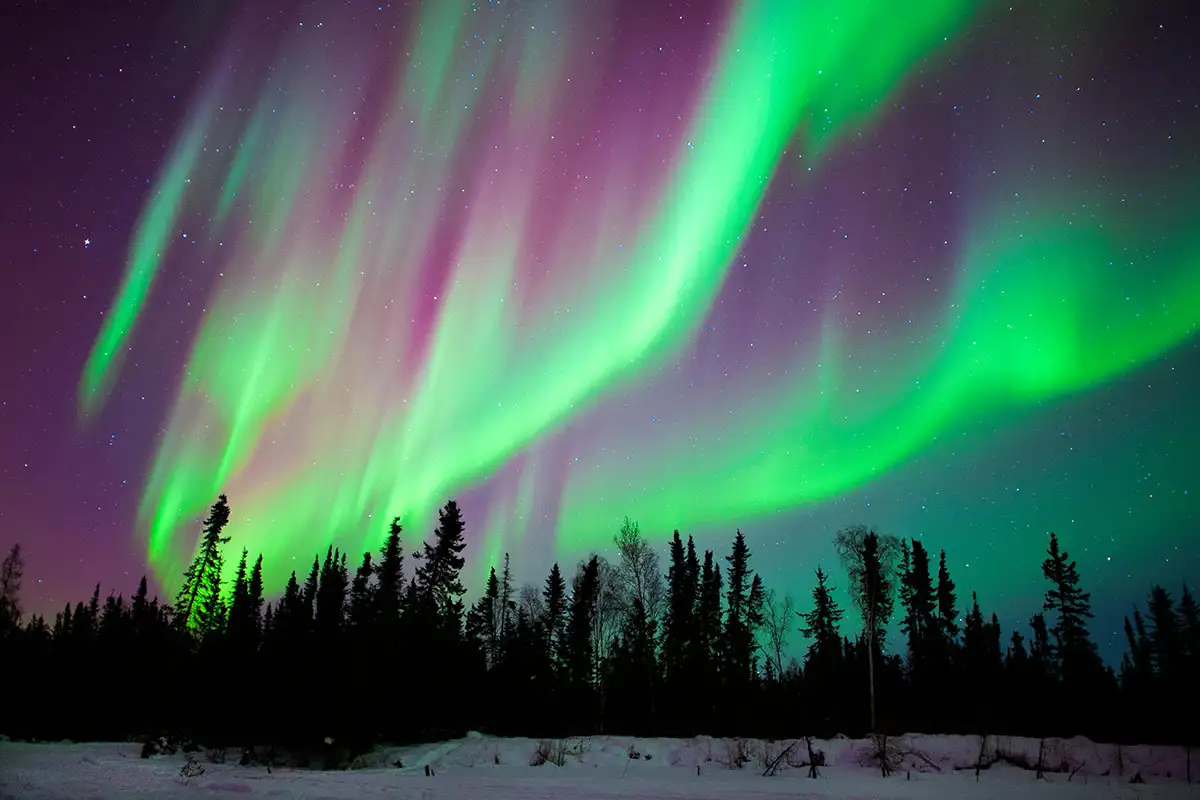
A Winter Aurora Phenomenon: The Northern Lights

rashemamelson.org – The Northern Lights, also known as the Aurora Borealis, are a breathtaking natural phenomenon that captivates the hearts and imaginations of those who witness them. This celestial display is most commonly visible during the winter months, when the nights are longer and the skies are clearer. The Northern Lights are a part of the aurora family, which also includes the Aurora Australis, or Southern Lights, visible in the Southern Hemisphere.

The Science Behind the Northern Lights

The Northern Lights occur when electrically charged particles from the sun, called solar wind, interact with the Earth’s magnetic field and atmosphere. These particles are funneled towards the Earth’s magnetic poles, where they collide with gases like oxygen and nitrogen in the upper atmosphere, about 65 to 180 miles above the ground. The collisions result in a variety of colors, including green, pink, red, blue, and violet, depending on the type of gas and the altitude of the collision.

The Best Places to Witness the Northern Lights

The Northern Lights can be seen in parts of the Northern Hemisphere, within the Arctic Circle. However, they are not limited to this area and can sometimes be visible in more southern locations during periods of high solar activity. Some of the best places to witness the Northern Lights include:

  • Iceland: Known for its clear skies and easy access to the aurora zone, Iceland offers some of the best Northern Lights viewing in the world.
  • Norway: The northern parts of Norway, including the Lofoten Islands and Tromsø, are prime locations for aurora watching.
  • Sweden: The Abisko National Park in Swedish Lapland is renowned for its clear skies and minimal light pollution.
  • Finland: The Finnish Lapland, with its numerous resorts and glass igloos, provides a comfortable base for Northern Lights viewing.
  • Canada: The provinces of Yukon, Northwest Territories, and Nunavut, as well as parts of Northern Quebec and Labrador, offer stunning views of the aurora.
  • Alaska, USA: Fairbanks, with its location near the aurora oval, is a popular destination for aurora enthusiasts.

The Best Time to See the Northern Lights

The Northern Lights can be seen from late August to early April, with the peak season being from October to March. During these months, the nights are longest, and the chances of clear skies are higher. However, the solar cycle also plays a significant role in the intensity and frequency of the auroras. During solar maximum, which occurs approximately every 11 years, the Northern Lights can be more active and visible further south than usual.

Tips for Viewing the Northern Lights

  • Check the Aurora Forecast: Before planning your trip, check the aurora forecast to increase your chances of a sighting. Websites and apps provide real-time data on solar activity and aurora visibility.
  • Dress Warmly: Northern Lights viewing often involves being outside for extended periods in cold weather. Dress in layers and wear appropriate winter gear.
  • Find Dark Skies: Light pollution can obscure the view of the Northern Lights. Head to areas away from city lights for the best views.
  • Be Patient: The Northern Lights can be unpredictable. Patience is key, as the best displays may occur after waiting for several nights.
  • Capture the Moment: If you’re interested in photography, bring a camera with manual settings and a tripod. Experiment with long exposure settings to capture the movement of the lights.

The Cultural Significance of the Northern Lights

Throughout history, the Northern Lights have held various meanings for different cultures. Some indigenous peoples of the Arctic, like the Sámi and Inuit, have traditional stories and beliefs about the lights, often associating them with the spirits of the dead or with animals. In European folklore, the lights were sometimes thought to be the souls of the damned or the breath of magical horses. Today, the Northern Lights are celebrated as a symbol of the natural beauty and mystery of our planet.

Conclusion

The Northern Lights are a mesmerizing display of nature’s artistry, a dance of light and color that has enchanted observers for centuries. Whether you’re a seasoned aurora hunter or a curious first-timer, witnessing the Northern Lights is an unforgettable experience that offers a glimpse into the dynamic relationship between our planet and the sun. With the right preparation and a bit of luck, you can experience this winter aurora phenomenon and create memories that will last a lifetime.

McDonald’s: The Global Fast Food Phenomenon

rashemamelson.org – In the world of fast food, McDonald’s stands as an iconic behemoth, a symbol of globalization and the American dream. From its humble beginnings in 1940 as a barbecue restaurant operated by Richard and Maurice McDonald in San Bernardino, California, to becoming the world’s largest chain of hamburger fast food restaurants, McDonald’s has become a cultural phenomenon. With its golden arches recognized in virtually every corner of the globe, McDonald’s has not only revolutionized the way we eat but also how businesses operate on a global scale.

The Birth of a Fast Food Empire

The McDonald brothers’ initial venture into the food industry was not an immediate success. It was not until they simplified their menu to focus on hamburgers, french fries, and beverages that they began to see the potential for rapid service and high volume sales. This innovative approach caught the attention of Ray Kroc, a salesman who saw the potential for franchising the concept. In 1955, Kroc opened the first franchise in Des Plaines, Illinois, and the rest, as they say, is history.

Global Expansion

McDonald’s global expansion began in the late 1960s and has since been a relentless force. The first international location opened in Richmond, British Columbia, Canada, in 1967, followed by one in Tokyo, Japan, in 1971. Today, McDonald’s operates over 38,000 restaurants across 100 countries, serving 68 million customers every day. The brand’s ability to adapt to local tastes and cultures while maintaining its core menu items has been a key factor in its global success. From the McArabia in the Middle East to the McBaguette in France, McDonald’s has shown a remarkable ability to tailor its offerings to local preferences.

The McDonald’s Experience

Beyond its food, McDonald’s has cultivated a unique experience that resonates with customers worldwide. The brand’s emphasis on speed, consistency, and value has made it a go-to for quick meals. Its play areas and Happy Meals have endeared it to families, while its marketing, including the iconic Ronald McDonald character, has become a part of popular culture. McDonald’s has also been at the forefront of technological advancements in the fast food industry, with innovations such as drive-thru restaurants and mobile app ordering.

Controversies and Challenges

Despite its success, McDonald’s has faced its share of controversies and challenges. Critics have pointed to the nutritional value of its menu items, linking them to obesity and other health issues. The brand has responded by introducing healthier options and providing nutritional information. Environmental concerns have also been raised, prompting McDonald’s to make strides in sustainability, such as reducing packaging waste and sourcing ingredients responsibly.

Labor practices have been another area of scrutiny, with calls for better wages and working conditions. McDonald’s has been a focal point in the Fight for $15 movement, which advocates for a higher minimum wage. The company has gradually increased wages in some markets, though debates continue about the adequacy of these measures.

Looking to the Future

As McDonald’s continues to evolve, it faces new challenges in a rapidly changing food industry. The rise of health-conscious and plant-based diets, along with increased competition from fast-casual restaurants and food delivery services, requires the brand to innovate and adapt. McDonald’s has shown a willingness to experiment, with tests of plant-based burgers and customizable menus, indicating a commitment to staying relevant in a dynamic market.

Conclusion

McDonald’s journey from a small restaurant in California to a global fast food phenomenon is a testament to the power of innovation, adaptation, and branding. While it has faced and will continue to face challenges, its enduring popularity and ability to reinvent itself suggest that McDonald’s will remain a dominant force in the global food landscape. As the brand looks to the future, it must navigate the complexities of a changing world, balancing its iconic status with the demands of a more health-conscious, environmentally aware, and socially conscious consumer base. McDonald’s legacy is not just in the billions of burgers served but in its impact on global culture and business practices, making it a true phenomenon of the modern age.