The Temple of Heaven: Ancient Chinese Architecture

rashemamelson.org – The Temple of Heaven, located in the heart of Beijing, China, is a magnificent example of ancient Chinese religious architecture. Built during the Ming Dynasty, this UNESCO World Heritage site served as a ceremonial complex for emperors to perform sacred rituals. The Temple of Heaven is renowned for its architectural grandeur, cultural significance, and harmonious design, reflecting the deep spiritual beliefs of ancient China.

Historical Background

Constructed between 1406 and 1420 under the reign of Emperor Yongle, the Temple of Heaven was primarily used by Ming and Qing dynasty emperors to offer sacrifices to Heaven and pray for good harvests. The complex symbolizes the relationship between heaven and earth, reflecting the ancient Chinese cosmological view that heaven is round and earth is square.

Architectural Significance

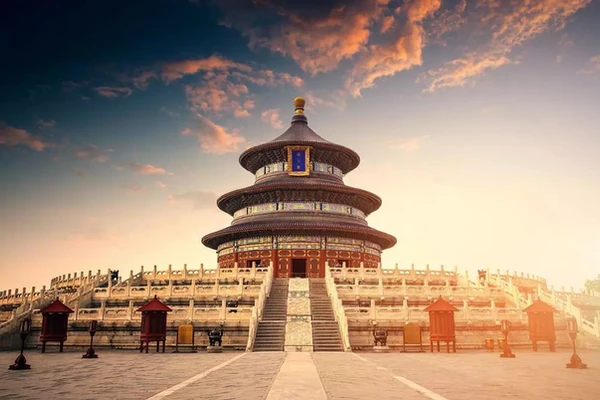
The Temple of Heaven covers an area of 273 hectares and is composed of several key structures, each with its own unique architectural features. The Hall of Prayer for Good Harvests, the most iconic building, is a circular wooden structure with a triple-gabled roof, intricately decorated with blue tiles and gold accents. This architectural masterpiece was constructed without the use of nails, showcasing the advanced engineering skills of ancient Chinese craftsmen.

Another significant structure is the Circular Mound Altar, a three-tiered marble platform where the emperor conducted sacrificial ceremonies. The altar’s circular design and concentric layout represent the celestial vault and the emperor’s divine connection to heaven.

Cultural and Religious Significance

The Temple of Heaven is steeped in cultural and religious symbolism. It was the site of the annual Heaven Worship Ceremony, where the emperor, regarded as the “Son of Heaven,” would offer sacrifices and prayers to ensure the prosperity and stability of the empire. These rituals underscored the emperor’s role as the mediator between heaven and earth, reinforcing the divine right to rule.

The complex’s design embodies the principles of feng shui and ancient Chinese astronomy, reflecting the harmonious relationship between humans and nature. The Temple of Heaven remains a powerful symbol of Chinese spirituality and cultural heritage.

Preservation and Modern Significance

Today, the Temple of Heaven is a popular tourist destination and a symbol of Chinese history and culture. Efforts have been made to preserve the site’s architectural integrity and historical significance. The temple complex continues to serve as a venue for cultural events and activities, attracting millions of visitors each year who come to admire its beauty and learn about its historical importance.

Conclusion

The Temple of Heaven stands as a monumental achievement in ancient Chinese architecture and a testament to the country’s rich cultural heritage. Its harmonious design, historical significance, and spiritual symbolism offer a unique insight into the beliefs and traditions of imperial China. As one of Beijing’s most treasured landmarks, the Temple of Heaven continues to inspire awe and reverence in all who visit.
Ancient Andes: Foods of the High Altitude

rashemamelson.org – The Andes Mountains, stretching across South America, are home to some of the most diverse and resilient ecosystems on the planet. The ancient peoples of the Andes, including the Inca civilization, developed a rich culinary tradition shaped by the challenging high-altitude environment. This article explores the foods that sustained these communities, highlighting their agricultural ingenuity, staple ingredients, and enduring culinary practices.

Agricultural Innovation in the Andes

Adapting to the High Altitude

The high-altitude environment of the Andes presented unique challenges for agriculture, including harsh weather conditions and limited arable land. To overcome these obstacles, the ancient Andean peoples developed sophisticated terracing and irrigation systems. These terraces, known as “andenes,” allowed them to maximize crop yields by preventing soil erosion and capturing water efficiently.

Key Crops and Livestock

The Andean farmers cultivated a variety of crops that were well-suited to the high-altitude conditions. Potatoes, quinoa, and maize were among the most important staples. Additionally, they domesticated llamas and alpacas, which provided wool, meat, and transportation.

Staple Foods of the Andean Diet

Potatoes and Tubers

The potato, native to the Andes, was a dietary cornerstone for the ancient inhabitants. With thousands of varieties, potatoes were consumed in various forms, from boiled and baked to freeze-dried as chuño. Other tubers, like oca and mashua, also contributed to the Andean diet.

Quinoa and Grains

Quinoa, a protein-rich grain native to the Andes, was a vital food source. Its high nutritional value made it a staple for both everyday meals and ceremonial occasions. Amaranth and canihua were other grains cultivated by the Andeans, adding diversity to their diet.

Culinary Practices and Traditions

Cooking Methods and Preservation

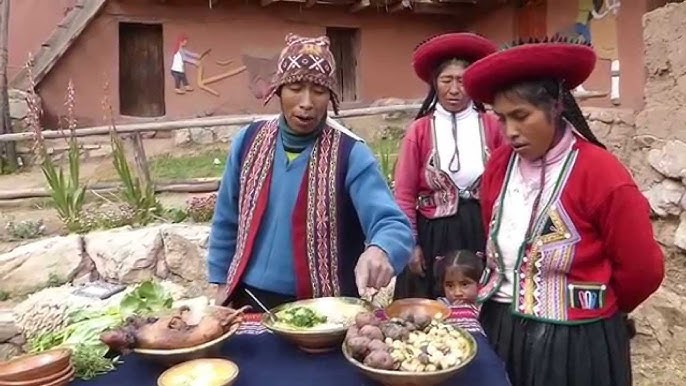
Cooking in the Andes often involved simple methods such as boiling, roasting, and steaming. The Andeans also developed unique preservation techniques, like freeze-drying, to store food for harsh winters. This process, known as “ch’arki” for meat and “chuño” for potatoes, ensured a stable food supply throughout the year.

Communal Eating and Festivals

Food played a central role in Andean social and religious life. Communal meals and feasts were common during festivals and agricultural ceremonies. These gatherings reinforced community ties and celebrated the relationship between the people and their environment.

Conclusion

The ancient peoples of the Andes were masters of adaptation, developing a cuisine that thrived in one of the world’s most challenging environments. Their innovative agricultural techniques, diverse staple foods, and communal culinary traditions laid the foundation for a rich cultural heritage. Today, the legacy of the Andean diet continues to influence modern culinary practices, offering a glimpse into a resilient and resourceful way of life that has endured for centuries. As we explore the foods of the high altitude, we honor the ingenuity and spirit of the Andean people.

The Struggle for Women’s Rights in Ancient Greece

rashemamelson.org – The ancient Greek world, often celebrated for its contributions to philosophy, democracy, and art, was also a society deeply entrenched in patriarchal norms. Women in ancient Greece faced significant limitations and struggles in their quest for rights and equality. This article explores the various aspects of women’s lives, their roles, and the challenges they encountered in a male-dominated society.

The Role and Rights of Women

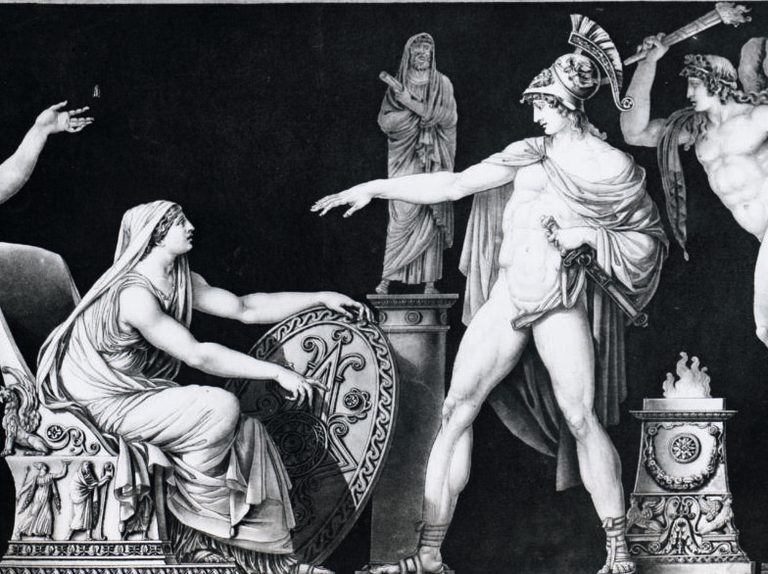
Women in ancient Greece were primarily confined to the domestic sphere, known as the oikos, while men served the polis, or state. Their roles were largely defined by their responsibilities as wives, mothers, and caretakers of the household. The education of girls was limited, focusing on skills necessary for domestic life, such as music, dancing, and weaving.

Marriage and Family

Marriage was a significant event in a woman’s life, often arranged by her father. The age of marriage varied; Athenian women typically married between the ages of 13 and 15, while Spartan women married later, around 20 years old. The husband gained control over the wife, and the marriage was seen as a union between families rather than individuals.

Legal and Political Rights

Women had virtually no legal or political rights. They could not vote, hold public office, or participate in the political life of the city-state. Their legal status was dependent on male relatives—fathers, husbands, or brothers—who acted as their kyrios, or guardian.

Variations Across City-States

While the general picture of women’s lives in ancient Greece was one of restriction, there were notable exceptions, particularly in Sparta. Spartan women enjoyed more freedoms compared to their counterparts in other city-states. They were educated, trained in athletics, and could own property. This was partly due to the frequent absence of men, who were often engaged in military campaigns.

Challenges and Struggles

Social and Cultural Constraints

The social and cultural norms of ancient Greece severely limited women’s opportunities. The ideal woman was one who was modest, obedient, and remained unseen in public life. This ideal was epitomized by characters like Penelope from Homer’s Odyssey, who was praised for her loyalty and domestic skills.

Economic and Social Roles

Despite their limited roles, women played crucial economic roles, especially in poorer households where they had to work outside the home. In wealthier families, women managed household affairs and supervised servants. Some women found opportunities in religious roles, such as priestesses, which provided them with a degree of public influence and respect.

Notable Women

Despite the constraints, some women managed to make significant contributions and leave their mark on history. Women like Aspasia of Miletus, the mistress of Pericles, and Queen Gorgo of Sparta, who advised her husband, King Leonidas, are examples of women who defied societal norms and achieved recognition.

Conclusion

The struggle for women’s rights in ancient Greece was a complex and multifaceted issue. While women faced numerous challenges and limitations, their roles and experiences varied across different city-states and social classes. The study of ancient Greek women’s lives provides valuable insights into the historical context of gender roles and the ongoing quest for equality.

A Key Figure in Ancient Egyptian Record-Keeping

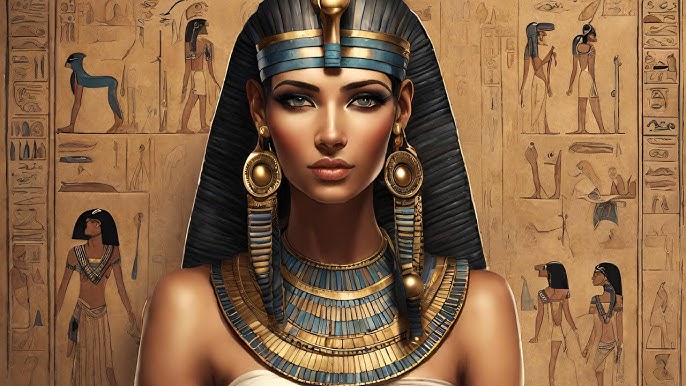
rashemamelson.org – In ancient Egypt, the Scribe of the Divine Decisions was a highly skilled individual tasked with recording legal and administrative decisions. This role was crucial for maintaining accurate and reliable documentation, which was essential for the governance and administration of the kingdom.

The Scribe’s Responsibilities in Legal Matters

The Scribe of the Divine Decisions played a pivotal role in the legal system of ancient Egypt. They were responsible for meticulously recording the outcomes of legal proceedings, including trials, judgments, and any associated punishments. These records served as official documents that could be referenced in future legal matters, ensuring consistency and fairness in the administration of justice.

The Scribe’s Role in Administrative Affairs

Beyond the legal realm, the Scribe of the Divine Decisions was also involved in administrative record-keeping. They documented important administrative decisions, such as the allocation of resources, the management of public works, and the distribution of land. These records were vital for the efficient operation of the government and for maintaining control over the kingdom’s resources.

The Importance of Scribal Records in Ancient Egypt

The meticulous records kept by the Scribe of the Divine Decisions were invaluable to the ancient Egyptian state. They provided a historical account of legal and administrative decisions, which could be used to resolve disputes, enforce laws, and plan for the future. Additionally, these records offered a glimpse into the daily life of ancient Egypt, providing modern historians with valuable insights into the society’s governance and legal practices.

The Skills and Training of a Scribe

To become a Scribe of the Divine Decisions, one had to undergo rigorous training in reading, writing, and mathematics. Scribes were educated in specialized schools and had to master the complex hieroglyphic script used in official documents. Their work required not only technical skill but also a deep understanding of legal and administrative procedures.

The Legacy of the Scribe of the Divine Decisions

The legacy of the Scribe of the Divine Decisions is evident in the numerous papyri and inscriptions that have survived to this day. These documents are a testament to the importance of record-keeping in ancient Egypt and the skill of its scribes. They offer a window into the past, allowing us to appreciate the sophistication of ancient Egyptian society and its legal and administrative systems.