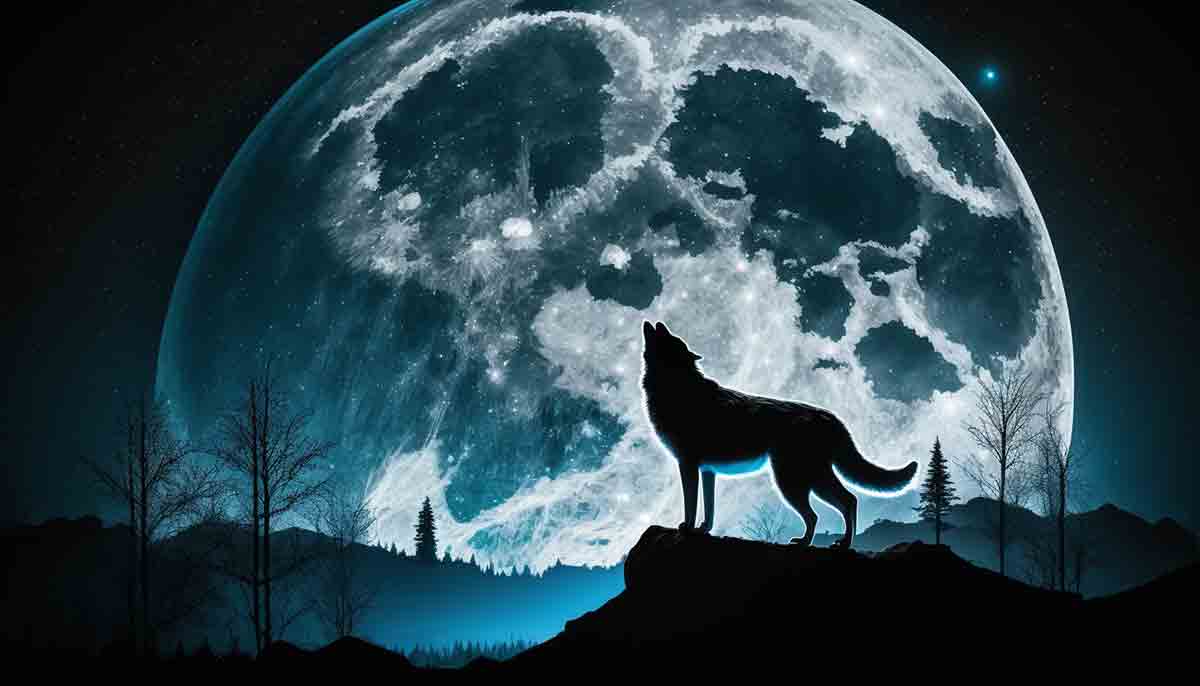
Wolves: Symbols of Wilderness and Freedom

rashemamelson.org – Wolves have long been revered as powerful symbols of wilderness and freedom, captivating human imagination and inspiring countless myths, stories, and cultural representations. As apex predators, wolves play a crucial role in maintaining ecological balance, and their presence in the wild is a testament to the health and vitality of natural ecosystems. This article explores the symbolic significance of wolves, their role in nature, and the challenges they face in the modern world.

The Symbolic Significance of Wolves

Throughout history, wolves have been portrayed in various ways across cultures. They are often seen as embodiments of strength, independence, and the untamed spirit of the wild.

Cultural Representations

In many Native American cultures, wolves are revered as teachers and guides, symbolizing loyalty, family, and the interconnectedness of life. They are often featured in legends and stories that convey important moral lessons and cultural values.

In Norse mythology, wolves are associated with both creation and destruction. The giant wolf Fenrir is a central figure in the apocalyptic events of Ragnarök, while the wolves Sköll and Hati chase the sun and moon across the sky.

Literary and Artistic Depictions

Wolves have inspired countless works of literature and art. From Aesop’s fables to modern novels, wolves are often depicted as symbols of wildness and mystery. Their presence evokes a sense of awe and respect for the natural world and its untamed beauty.

Wolves in the Natural World

Wolves are vital components of their ecosystems, serving as keystone species that help regulate prey populations and maintain ecological balance.

Ecological Role

By controlling the numbers of herbivores like deer and elk, wolves prevent overgrazing and promote the growth of vegetation. This, in turn, supports a diverse range of other species, from insects to birds to other predators. The reintroduction of wolves to Yellowstone National Park is a prime example of how their presence can lead to positive ecological changes, a phenomenon known as trophic cascade.

Pack Dynamics and Social Structure

Wolves live in highly organized social groups known as packs, which are essential for their survival. The pack structure enhances their ability to hunt, defend territory, and care for their young, showcasing the importance of cooperation and community.

Challenges Facing Wolves

Despite their symbolic significance and ecological importance, wolves face numerous challenges in the modern world. Habitat loss, human-wildlife conflict, and climate change threaten their survival in many regions.

Human-Wildlife Conflict

Wolves are often viewed as threats to livestock and human interests, leading to conflicts and negative perceptions. Efforts to manage these conflicts through education, compensation programs, and non-lethal deterrents are crucial for fostering coexistence.

Conservation Efforts

Conservation organizations and governments worldwide are working to protect wolf populations through habitat preservation, legal protections, and public awareness campaigns. These efforts aim to ensure that wolves continue to roam the wild landscapes that they so powerfully symbolize.

Conclusion

Wolves, as symbols of wilderness and freedom, inspire us to reflect on our relationship with nature and the importance of preserving the wild spaces that sustain life on Earth. By understanding and appreciating the role of wolves in our ecosystems and cultural heritage, we can work towards a future where these majestic animals thrive alongside human communities, embodying the untamed spirit of the natural world.
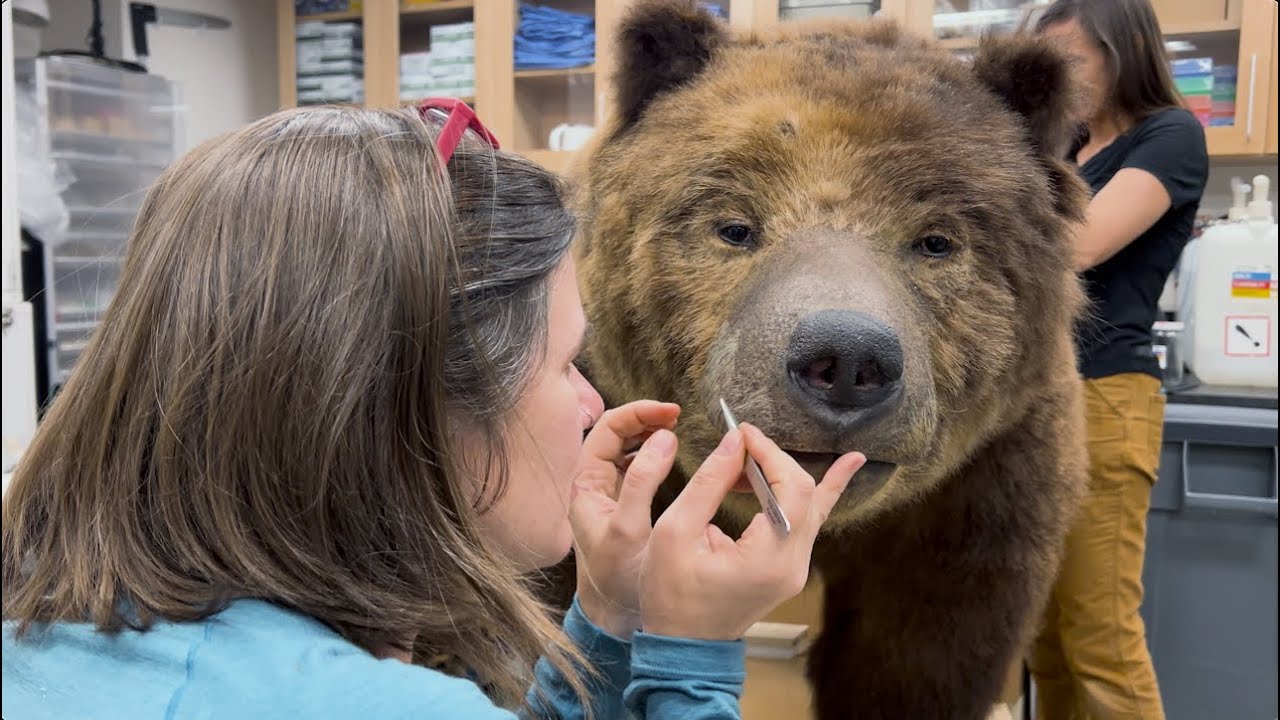
Monarch of the North American Wilderness: The Grizzly Bear

In the vast, untamed expanses of North America, few creatures embody the raw power and majesty of the wilderness quite like the grizzly bear (Ursus arctos horribilis). Standing as a symbol of strength, resilience, and the untamed spirit of nature, the grizzly bear reigns as the monarch of the continent’s wild places. This article delves into the life of this magnificent animal, exploring its habitat, behavior, conservation status, and the critical role it plays in the ecosystem.

Habitat and Range

The grizzly bear is primarily found in the rugged, mountainous regions of North America, including the Rocky Mountains, the Brooks Range in Alaska, and the coastal regions of British Columbia and Alaska. These bears also inhabit the boreal forests of Canada and the western United States. The grizzly’s habitat is characterized by a diverse array of ecosystems, from dense forests and alpine meadows to open plains and river valleys. This variety allows the bears to access a wide range of food sources, from berries and roots to fish and small mammals.

Physical Characteristics and Behavior

Grizzly bears are easily recognizable by their distinctive hump on the shoulders, a result of the massive muscles needed to power their digging claws. They have a large, concave face, small ears, and a dished profile. Adult males can weigh up to 600 kilograms (1,300 pounds) and stand over 3 meters (10 feet) tall on their hind legs. Despite their formidable size, grizzly bears are incredibly agile and can run at speeds of up to 55 kilometers per hour (34 miles per hour).

These bears are solitary animals, coming together only during the mating season, which typically occurs between May and July. Females give birth to their cubs in winter dens, where they hibernate for up to seven months. The cubs are born blind, helpless, and weighing only about 450 grams (1 pound). They rely entirely on their mother for the first two to three years of their lives.

Diet and Hunting

Grizzly bears are omnivores, with their diet varying greatly depending on the season and availability of food. In the spring, they feed on grasses, sedges, and shoots. As summer progresses, they turn to berries, roots, and insects, including the larvae of beetles and ants. Salmon runs provide a rich source of protein in late summer and early fall, with bears often congregating near rivers to catch the migrating fish. Grizzly bears are also known to prey on ungulates such as elk, deer, and moose, particularly in areas where fish are scarce.

Conservation Status

The grizzly bear has faced significant challenges to its survival, primarily due to habitat loss, climate change, and human activities such as hunting and development. Over the past century, the grizzly’s range has been reduced by more than 50%, leading to fragmentation of populations and increased vulnerability to genetic isolation. Conservation efforts, including the establishment of protected areas and the implementation of hunting restrictions, have helped stabilize some populations. However, the grizzly bear remains a species of concern, particularly in regions where its habitat is under threat.

The Role of Grizzly Bears in the Ecosystem

Grizzly bears play a crucial role in their ecosystems, acting as keystone species. Their foraging behavior helps to disperse seeds, contributing to the regeneration of plant life. By digging for food, they aerate the soil and create microhabitats for other species. The bears also influence the behavior and population dynamics of other animals, such as ungulates and fish, which in turn affects the broader ecological balance.

Conclusion

The grizzly bear is more than just a symbol of the North American wilderness; it is a vital component of the continent’s ecosystems. Its survival is a testament to the resilience of nature, yet it also serves as a reminder of the delicate balance between wildlife and human activity. As we continue to share this planet with the grizzly bear, it is our responsibility to ensure that this majestic creature thrives for generations to come. Protecting the grizzly bear is not just about preserving a species; it’s about safeguarding the wild heart of North America.