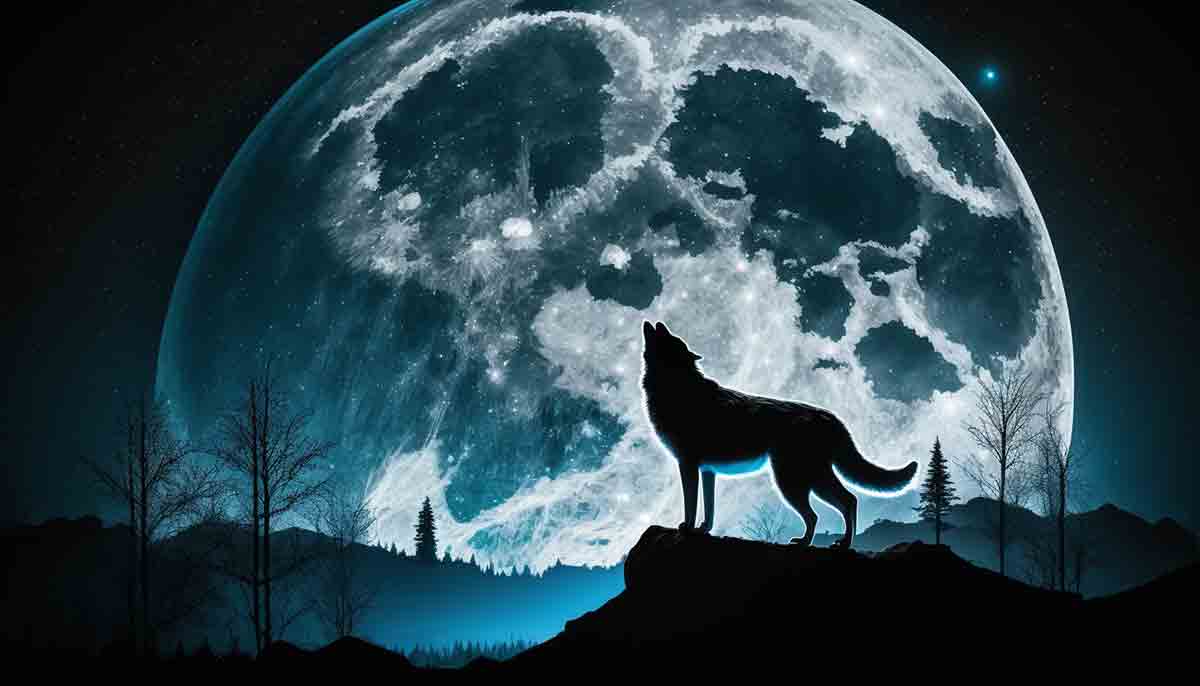
Wolves: Symbols of Wilderness and Freedom

rashemamelson.org – Wolves have long been revered as powerful symbols of wilderness and freedom, captivating human imagination and inspiring countless myths, stories, and cultural representations. As apex predators, wolves play a crucial role in maintaining ecological balance, and their presence in the wild is a testament to the health and vitality of natural ecosystems. This article explores the symbolic significance of wolves, their role in nature, and the challenges they face in the modern world.

The Symbolic Significance of Wolves

Throughout history, wolves have been portrayed in various ways across cultures. They are often seen as embodiments of strength, independence, and the untamed spirit of the wild.

Cultural Representations

In many Native American cultures, wolves are revered as teachers and guides, symbolizing loyalty, family, and the interconnectedness of life. They are often featured in legends and stories that convey important moral lessons and cultural values.

In Norse mythology, wolves are associated with both creation and destruction. The giant wolf Fenrir is a central figure in the apocalyptic events of Ragnarök, while the wolves Sköll and Hati chase the sun and moon across the sky.

Literary and Artistic Depictions

Wolves have inspired countless works of literature and art. From Aesop’s fables to modern novels, wolves are often depicted as symbols of wildness and mystery. Their presence evokes a sense of awe and respect for the natural world and its untamed beauty.

Wolves in the Natural World

Wolves are vital components of their ecosystems, serving as keystone species that help regulate prey populations and maintain ecological balance.

Ecological Role

By controlling the numbers of herbivores like deer and elk, wolves prevent overgrazing and promote the growth of vegetation. This, in turn, supports a diverse range of other species, from insects to birds to other predators. The reintroduction of wolves to Yellowstone National Park is a prime example of how their presence can lead to positive ecological changes, a phenomenon known as trophic cascade.

Pack Dynamics and Social Structure

Wolves live in highly organized social groups known as packs, which are essential for their survival. The pack structure enhances their ability to hunt, defend territory, and care for their young, showcasing the importance of cooperation and community.

Challenges Facing Wolves

Despite their symbolic significance and ecological importance, wolves face numerous challenges in the modern world. Habitat loss, human-wildlife conflict, and climate change threaten their survival in many regions.

Human-Wildlife Conflict

Wolves are often viewed as threats to livestock and human interests, leading to conflicts and negative perceptions. Efforts to manage these conflicts through education, compensation programs, and non-lethal deterrents are crucial for fostering coexistence.

Conservation Efforts

Conservation organizations and governments worldwide are working to protect wolf populations through habitat preservation, legal protections, and public awareness campaigns. These efforts aim to ensure that wolves continue to roam the wild landscapes that they so powerfully symbolize.

Conclusion

Wolves, as symbols of wilderness and freedom, inspire us to reflect on our relationship with nature and the importance of preserving the wild spaces that sustain life on Earth. By understanding and appreciating the role of wolves in our ecosystems and cultural heritage, we can work towards a future where these majestic animals thrive alongside human communities, embodying the untamed spirit of the natural world.
Press Freedom and Eritrea’s Media

rashemamelson.org – Eritrea, a small country in the Horn of Africa, has a complex and challenging media landscape. The country’s media and press freedom have been subjects of international scrutiny and concern. This article explores the state of media and press freedom in Eritrea, highlighting the challenges and developments in the sector.

Overview of Eritrea’s Media Landscape

Media Ownership and Control

The Eritrean government exerts significant control over the media landscape. The majority of media outlets, including television, radio, and newspapers, are state-owned or state-controlled. Independent media operations face numerous obstacles, including restrictions on licensing and distribution.

Internet and Social Media

The internet in Eritrea is heavily regulated, with the government controlling access and monitoring online activities. Social media platforms are popular among the youth but are also subject to surveillance and censorship. The government has been known to block access to certain websites and social media platforms during periods of political unrest.

Challenges to Press Freedom

Censorship and Self-Censorship

Journalists in Eritrea face strict censorship, with the government controlling the content of news and information disseminated through media outlets. Self-censorship is also prevalent, as journalists and media outlets avoid sensitive topics to prevent reprisals from the authorities.

Arrests and Harassment of Journalists

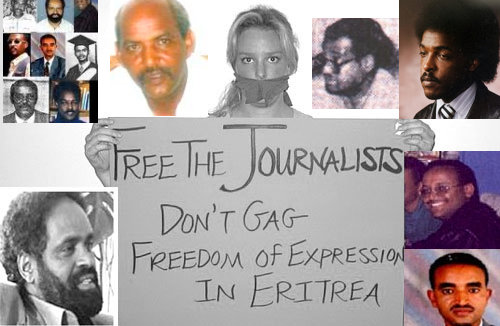
Eritrean journalists and media workers operate in a climate of fear, with many facing arrest, harassment, and intimidation. The government has been accused of detaining journalists without trial and subjecting them to harsh conditions. These actions have led to a severe lack of press freedom in the country.

International Rankings and Criticism

Eritrea consistently ranks low in international press freedom indices, such as those published by Reporters Without Borders (RSF). The country has been criticized for its repressive media policies and the lack of a freedom of expression. International organizations have called for the release of detained journalists and improvements in press freedom.

Efforts to Improve Media and Press Freedom

Government Initiatives

The Eritrean government has taken steps to improve the media landscape, including the establishment of the Eritrean Press Association (EPA). However, these efforts have been criticized for not addressing the root causes of press freedom issues, such as censorship and the lack of an independent judiciary.

Role of International Community

International organizations and governments have urged Eritrea to respect media and press freedom. Diplomatic efforts and human rights dialogues have been used to raise awareness and pressure the Eritrean government to implement reforms.

Civil Society and Activism

Eritrean civil society groups and activists, both within the country and in the diaspora, play a crucial role in advocating for media and press freedom. They use various platforms, including social media, to highlight abuses and support journalists.

Conclusion

Eritrea’s media and press freedom are severely restricted, with the government exerting control over the media landscape and suppressing independent journalism. The challenges faced by journalists and media outlets are significant, including censorship, harassment, and lack of freedom of expression. While there have been efforts to improve the situation, substantial reforms are needed to ensure a free and independent media in Eritrea. The international community, along with Eritrean civil society, continues to play a vital role in advocating for press freedom and supporting journalists in their struggle for a more open and democratic media environment.

A Story of the Latvian Struggle for Freedom: The Baltic Way

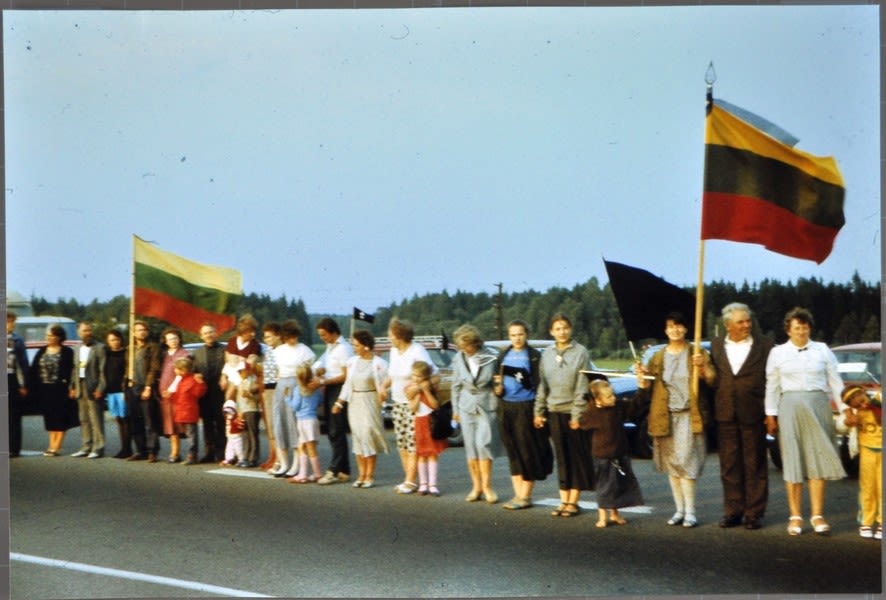
rashemamelson.org – The Baltic Way was a powerful symbol of the Latvian struggle for freedom from Soviet occupation. This historic event, which took place on August 23, 1989, marked the 50th anniversary of the Molotov-Ribbentrop Pact, the secret agreement between Nazi Germany and the Soviet Union that led to the occupation of the Baltic states. The Baltic Way was a human chain that stretched across Estonia, Latvia, and Lithuania, uniting people in a peaceful demonstration for independence.

The Molotov-Ribbentrop Pact and Its Consequences

The Molotov-Ribbentrop Pact, signed on August 23, 1939, divided Eastern Europe into spheres of influence, with the Baltic states falling under Soviet control. This led to the occupation of Latvia in 1940 and the subsequent annexation by the Soviet Union. The occupation was characterized by political repression, deportations, and the loss of national sovereignty.

The Rise of the Latvian Independence Movement

Throughout the years of Soviet occupation, the Latvian people maintained a strong sense of national identity and a desire for independence. The late 1980s saw a resurgence of the Latvian independence movement, fueled by the Soviet Union’s policy of glasnost (openness) and perestroika (restructuring) under Mikhail Gorbachev.

The Baltic Way: A Peaceful Demonstration

The idea of the Baltic Way was born out of a desire to draw international attention to the plight of the Baltic states and to demonstrate the unity of the Baltic peoples in their quest for freedom. On August 23, 1989, approximately two million people joined hands to form a human chain that spanned 675 kilometers (420 miles), stretching from Tallinn, Estonia, through Riga, Latvia, to Vilnius, Lithuania.

The Impact of the Baltic Way

The Baltic Way was a turning point in the struggle for independence. It showcased the peaceful and determined nature of the Baltic peoples’ desire for freedom and garnered significant international media attention. The event also served as a catalyst for further demonstrations and actions aimed at achieving independence.

Latvia’s Road to Independence

Following the Baltic Way, the Latvian independence movement gained momentum. On May 4, 1990, the Supreme Council of the Republic of Latvia adopted a declaration of sovereignty, and on August 21, 1991, after the failed coup in Moscow, Latvia declared the full restoration of independence.

Conclusion

The Baltic Way stands as a testament to the power of peaceful protest and the enduring spirit of the Latvian people. It was a pivotal moment in the struggle for freedom from Soviet occupation and paved the way for the restoration of Latvia’s independence. The event remains a source of national pride and a symbol of the Latvian people’s unwavering commitment to freedom and democracy.