rashemamelson.org – The ancient Greek world, often celebrated for its contributions to philosophy, democracy, and art, was also a society deeply entrenched in patriarchal norms. Women in ancient Greece faced significant limitations and struggles in their quest for rights and equality. This article explores the various aspects of women’s lives, their roles, and the challenges they encountered in a male-dominated society.
The Role and Rights of Women
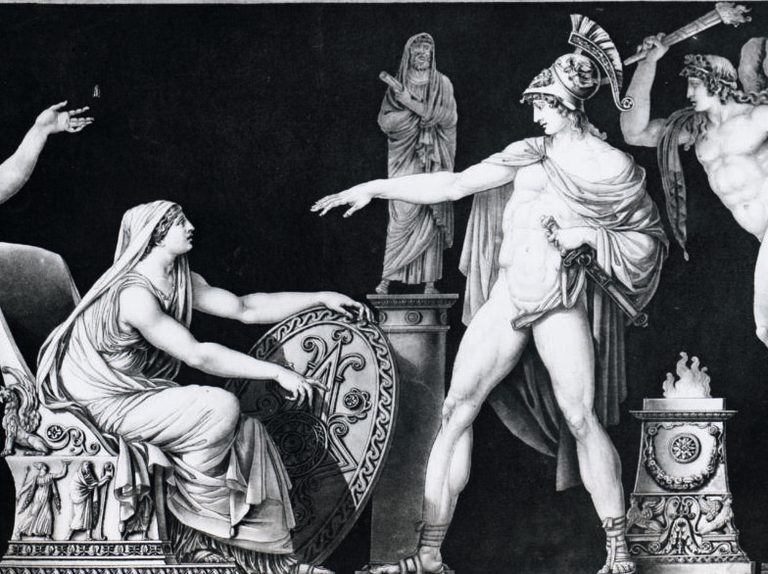
Women in ancient Greece were primarily confined to the domestic sphere, known as the oikos, while men served the polis, or state. Their roles were largely defined by their responsibilities as wives, mothers, and caretakers of the household. The education of girls was limited, focusing on skills necessary for domestic life, such as music, dancing, and weaving.
Marriage and Family
Marriage was a significant event in a woman’s life, often arranged by her father. The age of marriage varied; Athenian women typically married between the ages of 13 and 15, while Spartan women married later, around 20 years old. The husband gained control over the wife, and the marriage was seen as a union between families rather than individuals.
Legal and Political Rights
Women had virtually no legal or political rights. They could not vote, hold public office, or participate in the political life of the city-state. Their legal status was dependent on male relatives—fathers, husbands, or brothers—who acted as their kyrios, or guardian.
Variations Across City-States
While the general picture of women’s lives in ancient Greece was one of restriction, there were notable exceptions, particularly in Sparta. Spartan women enjoyed more freedoms compared to their counterparts in other city-states. They were educated, trained in athletics, and could own property. This was partly due to the frequent absence of men, who were often engaged in military campaigns.
Challenges and Struggles
Social and Cultural Constraints
The social and cultural norms of ancient Greece severely limited women’s opportunities. The ideal woman was one who was modest, obedient, and remained unseen in public life. This ideal was epitomized by characters like Penelope from Homer’s Odyssey, who was praised for her loyalty and domestic skills.
Economic and Social Roles
Despite their limited roles, women played crucial economic roles, especially in poorer households where they had to work outside the home. In wealthier families, women managed household affairs and supervised servants. Some women found opportunities in religious roles, such as priestesses, which provided them with a degree of public influence and respect.
Notable Women
Despite the constraints, some women managed to make significant contributions and leave their mark on history. Women like Aspasia of Miletus, the mistress of Pericles, and Queen Gorgo of Sparta, who advised her husband, King Leonidas, are examples of women who defied societal norms and achieved recognition.
Conclusion
The struggle for women’s rights in ancient Greece was a complex and multifaceted issue. While women faced numerous challenges and limitations, their roles and experiences varied across different city-states and social classes. The study of ancient Greek women’s lives provides valuable insights into the historical context of gender roles and the ongoing quest for equality.