The Price of Art: The World’s Most Expensive Masterpieces

rashemamelson.org – The art world is a fascinating realm where creativity, history, and commerce intertwine. While art is often seen as a reflection of the human soul, it also carries significant monetary value. In recent years, the art market has witnessed a surge in prices, with some masterpieces fetching astronomical sums. Let’s delve into the world of the most expensive art pieces ever sold.   

The Pinnacle of Artistic Value

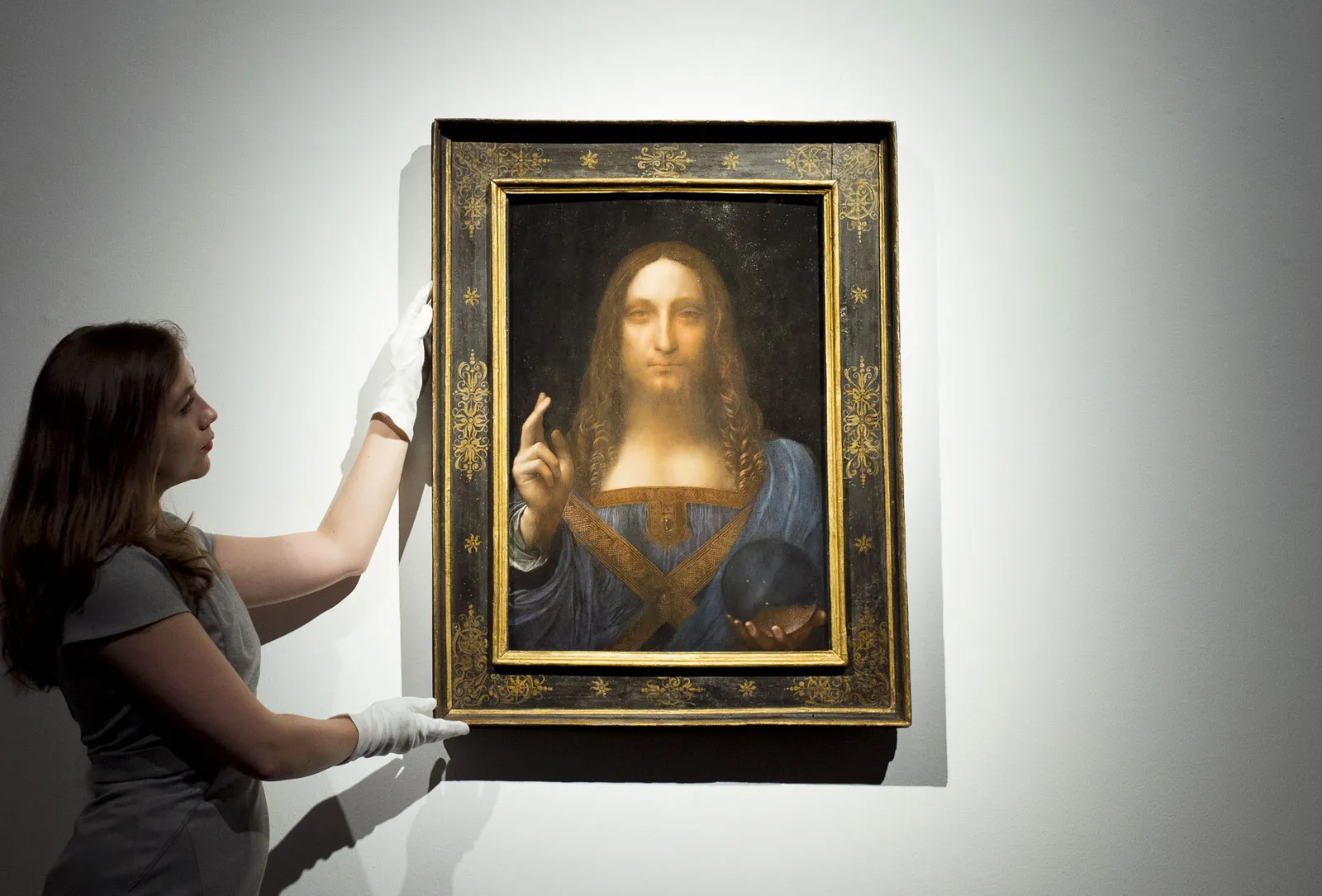
  • Salvator Mundi by Leonardo da Vinci: This Renaissance masterpiece, depicting Jesus Christ as the Savior of the World, holds the record for the most expensive painting ever sold at auction. In 2017, it was purchased for a staggering $450.3 million. The painting’s authenticity and its connection to one of history’s greatest artists contributed to its astronomical price tag.

Other Notable High-Priced Artworks

  • Interchange by Willem de Kooning: This abstract expressionist painting fetched $300 million at a private sale in 2015. De Kooning’s bold brushstrokes and dynamic composition make it a highly sought-after work.
  • The Card Players by Paul Cézanne: This series of five paintings, each depicting a group of card players, is considered one of Cézanne’s most significant works. One of the paintings sold for $250 million in 2011.
  • Number 17A by Jackson Pollock: This iconic drip painting is a prime example of Abstract Expressionism. It was sold for $200 million in 2015.
  • The Scream by Edvard Munch: This iconic expressionist painting, capturing a figure’s anguished cry, has been sold multiple times for high prices. One version sold for $120 million in 2012.

Factors Influencing Art Prices

Several factors contribute to the exorbitant prices of these artworks:

  • Artist’s Reputation: The fame and historical significance of the artist play a crucial role. Artists like Leonardo da Vinci, Pablo Picasso, and Andy Warhol command premium prices.
  • Rarity and Uniqueness: Limited edition prints, original paintings, and sculptures by renowned artists are highly sought after and can fetch exorbitant prices.
  • Historical Significance: Artworks with historical or cultural importance, such as those associated with significant events or movements, tend to be more valuable.
  • Market Demand: Strong demand from wealthy collectors and investors can drive up prices.
  • Condition and Provenance: The condition of the artwork and its provenance, or history of ownership, can significantly impact its value.

The Role of the Art Market

The art market is a complex and dynamic industry, influenced by various factors, including economic trends, cultural shifts, and technological advancements. As the global economy continues to grow, so does the demand for art as an investment and a status symbol. However, the art market is also subject to fluctuations and speculative bubbles.   

In conclusion, the world of high-priced art is a fascinating blend of history, culture, and commerce. While the prices of these masterpieces may seem exorbitant, they reflect the enduring power of human creativity and the timeless appeal of art.

The Most Perilous Places on Earth: Dangerous Territories

rashemamelson.org – Earth is a planet of contrasts. While it boasts breathtaking landscapes and serene environments, it is also home to some of the most perilous territories. These dangerous places, shaped by extreme climates, volatile natural phenomena, and human conflict, present significant challenges to both nature and humanity. This article explores some of the most dangerous places on Earth, highlighting the factors that contribute to their perilous nature.

Volcanic Fury: Mount Vesuvius, Italy

Mount Vesuvius, located near Naples, Italy, is one of the world’s most dangerous volcanoes. Known for its catastrophic eruption in AD 79 that buried the cities of Pompeii and Herculaneum, Vesuvius remains a threat. With over three million people living nearby, an eruption could have devastating consequences. Continuous monitoring and emergency preparedness are crucial to mitigate potential disasters.

The Scorching Sands: Danakil Depression, Ethiopia

The Danakil Depression in Ethiopia is one of the hottest and most inhospitable places on Earth. With temperatures regularly soaring above 120°F (49°C), this region is characterized by volcanic activity, sulfuric springs, and vast salt plains. Despite its harsh conditions, the area is inhabited by the Afar people, who have adapted to survive in this extreme environment.

Frozen Frontiers: Antarctica

Antarctica, the coldest continent on Earth, poses numerous hazards due to its extreme cold, unpredictable weather, and isolation. The harsh conditions make scientific research and exploration challenging, requiring specialized equipment and preparation. The continent’s icy terrains and hidden crevasses also pose physical dangers to those who venture into its vast wilderness.

Conflict Zones: The Korean Demilitarized Zone (DMZ)

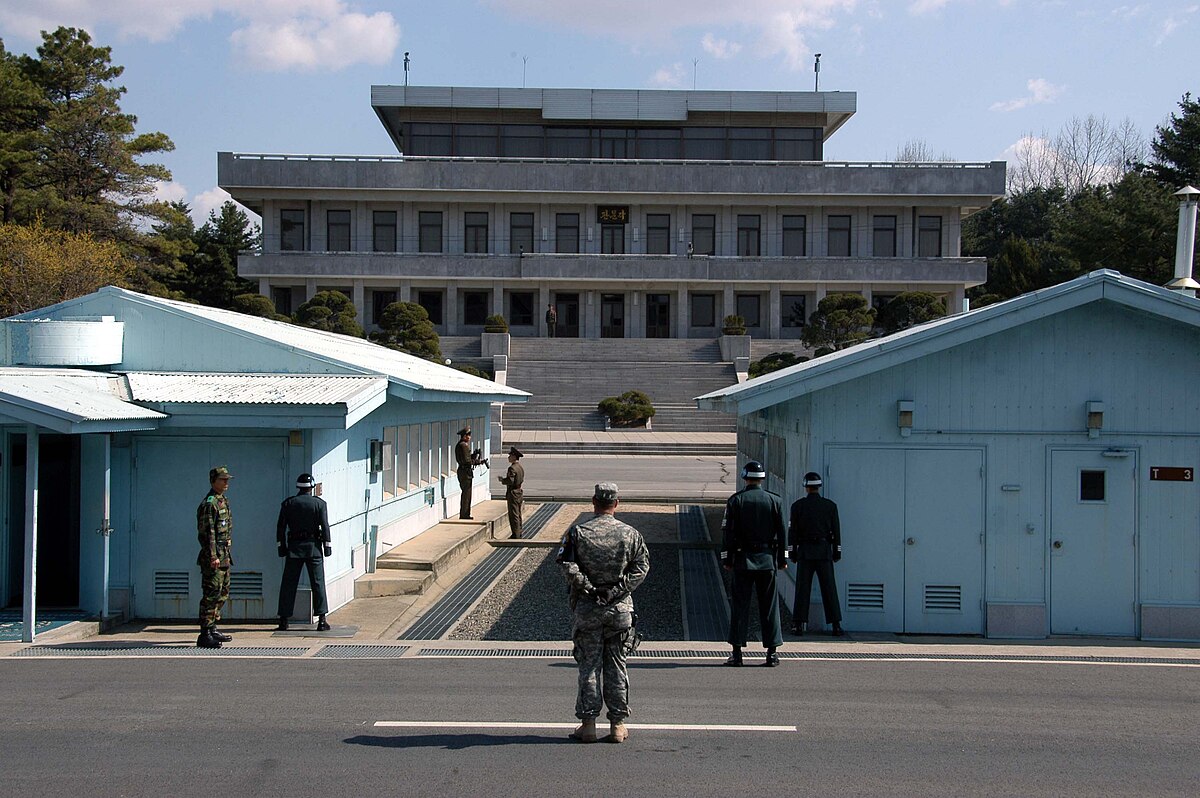
The Korean Demilitarized Zone (DMZ) is one of the most heavily fortified borders in the world, separating North and South Korea. Despite its name, the DMZ is far from demilitarized, with armed forces stationed on both sides. The tension and potential for conflict make this region one of the most dangerous places on Earth.

Nature’s Wrath: Tornado Alley, USA

Tornado Alley, a region in the central United States, is notorious for its frequent and severe tornadoes. The combination of warm, moist air from the Gulf of Mexico and cold, dry air from the Rocky Mountains creates the perfect conditions for tornado formation. Residents must remain vigilant and prepared for these unpredictable and destructive natural events.

Conclusion

These dangerous territories illustrate the power and unpredictability of nature and human conflict. While they present significant risks, they also offer valuable opportunities for scientific research and understanding. By studying these perilous places, we can learn more about the Earth’s processes and the resilience required to survive in extreme environments.

Agents of Chaos: The World’s Most Dangerous Men

rashemamelson.org – In a world fraught with conflict, turmoil, and the relentless pursuit of power, there exists a shadowy cadre of individuals who have been dubbed the “Agents of Chaos.” These men, through their actions, ideologies, and sheer force of will, have shaped the course of history in ways that have often led to widespread suffering, destruction, and instability. This article aims to shed light on some of these figures, exploring their motivations, methods, and the impact they have had on the global stage.

The Architects of Anarchy

One of the most notorious agents of chaos in recent history is Osama bin Laden, the mastermind behind the September 11, 2001, terrorist attacks on the United States. Bin Laden’s actions as the leader of Al-Qaeda not only resulted in the loss of nearly 3,000 lives but also triggered a global war on terror that continues to this day. His ideology of radical Islamist extremism has inspired numerous other terrorist groups and lone-wolf attackers, sowing fear and discord across the globe.

Another figure who has left an indelible mark on the world is Saddam Hussein, the former President of Iraq. Known for his brutal dictatorship, Hussein’s aggressive foreign policies led to the Iran-Iraq War and the invasion of Kuwait, which in turn prompted the Gulf War. His regime was marked by widespread human rights abuses, including the use of chemical weapons against his own people and the suppression of uprisings through extreme violence.

The Puppeteers of Power

Vladimir Putin, the current President of Russia, has been a central figure in the reshaping of the post-Cold War world order. Under his leadership, Russia has sought to reassert its influence on the global stage, often through tactics that have destabilized other nations. From the annexation of Crimea to the alleged interference in foreign elections, Putin’s actions have raised tensions and contributed to a climate of international mistrust.

Kim Jong-un, the Supreme Leader of North Korea, has also emerged as a significant agent of chaos. His regime’s relentless pursuit of nuclear weapons and ballistic missile technology has led to international condemnation and sanctions. Kim’s unpredictable behavior and the threat of nuclear proliferation have kept the world on edge, with the Korean Peninsula remaining one of the most volatile flashpoints on the planet.

The Ideologues of Destruction

Ideology can be a powerful tool in the hands of those seeking to sow chaos. Adolf Hitler, the leader of the Nazi Party in Germany, is perhaps the most infamous example. His virulent anti-Semitism and expansionist ambitions led to World War II, the Holocaust, and the deaths of millions. Hitler’s legacy is a stark reminder of the dangers of unchecked nationalism and the horrors that can result from a single individual’s quest for dominance.

Similarly, Joseph Stalin, the leader of the Soviet Union, was responsible for the deaths of millions through his policies of collectivization, purges, and the establishment of the Gulag labor camp system. Stalin’s paranoia and ruthless consolidation of power contributed to a climate of fear and repression that lasted for decades.

Conclusion

The agents of chaos discussed in this article represent just a fraction of the individuals who have wielded power in ways that have caused immense suffering and upheaval. Their stories serve as a cautionary tale about the dangers of unchecked ambition, the perils of ideological extremism, and the fragility of peace in our interconnected world. As we continue to navigate the complexities of the 21st century, it is essential to remain vigilant against those who would seek to exploit divisions, undermine democracy, and disrupt the social order for their own ends. Only by understanding the past and remaining committed to the principles of justice, equality, and cooperation can we hope to counter the forces of chaos and build a more stable and peaceful future.